Make Student Orientation Less Awkward
Interactive Networking Activity for a Large Group at Student Orientation.
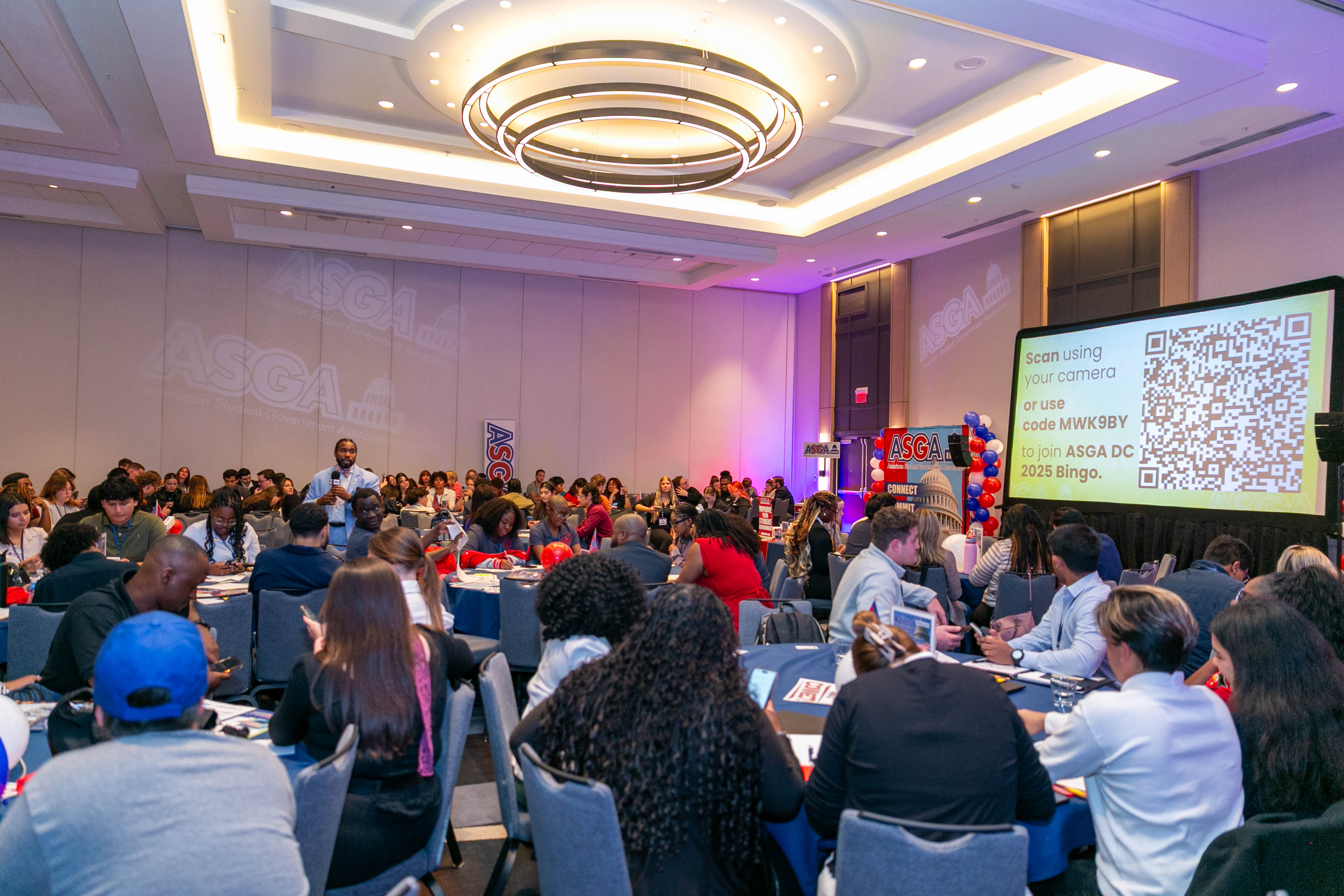
Walk into a student orientation and you’ll usually see the same scene: new students in that awkward in-between phase, most people on their phones, and the one or two friends who came in together sitting close and only talking to each other.
It's not that new students don't want friends. Everyone in that room is hoping to meet people. It's that nobody wants to be the one who turns to a stranger first and risks an awkward silence back.

Left alone, orientation defaults to phones out, heads down, and small talk only with whoever they happened to walk in with.
Why does breaking the ice at orientation even matter?
The first friend they make often shapes the whole first semester.
For a lot of students, the first person they talk to at orientation becomes the person they sit next to in a lecture hall, or the one they text when they're lost on campus. That first connection matters more than it seems in the moment.
If orientation is just an information session with a mingling break bolted on, it mostly rewards students who are already outgoing. The quieter half of the room ends up standing alone, waiting for someone else to make the first move.
What should an orientation icebreaker actually do?
Give students a reason to talk to someone new.
Almost no student is going to walk up to a total stranger and introduce themselves for no reason at all. That's the real barrier, not shyness exactly, just the lack of an obvious opening.

A good icebreaker hands students that opening. It turns walking up to a stranger into a small task inside a game, instead of a personal risk they have to take on their own.
What works with a big cohort of new students?
It needs to run itself, without staff chasing students down.
Icebreakers built for a classroom of 20 tend to fall apart with a whole incoming class of a few hundred. You can't hand out paper name tags and matching sheets to a full auditorium, and you can't have one RA trying to keep it all moving.
At that size, the activity needs almost no setup: no printed handouts, no long rules explanation before anyone can join, and no staff member stuck managing the whole room.
That's exactly where phone-based interactive icebreakers fit. Students join on a device they already have in their hand, at their own pace, without waiting on anyone.
What does this look like in practice?
Jam Bingo
- JamBingo: Get students talking to someone new instead of scrolling through their phone alone.
Looking for a simple way to get a large group of new students talking during orientation instead of sitting in silence? See how JamBingo works!
Students scan a QR code, get a prompt on their phone, and go find someone in the room who matches it. Prompts can be built around campus life, like find someone in your dorm building, or find someone studying a subject you've never heard of.
Campus-specific examples of Jam Bingo prompts beats generic every time.
A prompt like find someone who likes pizza doesn't really push anyone out of their comfort zone. Prompts tied to actual campus life do a lot more work.
- Find someone from a different hometown or state.
- Find someone majoring in something you've never studied.
- Find someone living in a different dorm or building.
- Find someone who's already visited the campus library.
- Find someone who took a gap year before starting.
Prompts like these push students toward someone unfamiliar without it feeling forced. It just feels like part of the game.
Does it actually help beyond orientation day?
Yes, if the interaction leaves something memorable behind.
The real measure isn't whether students talked for 15 minutes on day one. It's whether they wave at each other in the dining hall a week later, or sit together in a lecture they share.
That's why campus-specific prompts matter more than generic ones. Find someone from a different hometown sticks a lot better than find someone wearing sneakers.

Students leave with a name, a face, and one small detail to anchor it to, which is usually enough to make the next hallway hello feel a lot less awkward.
So what's the actual next step?
Start with one structured activity at your next orientation session.
You don't need to redesign the entire orientation schedule. You just need one structured window where new students are nudged to talk to someone they haven't met yet.