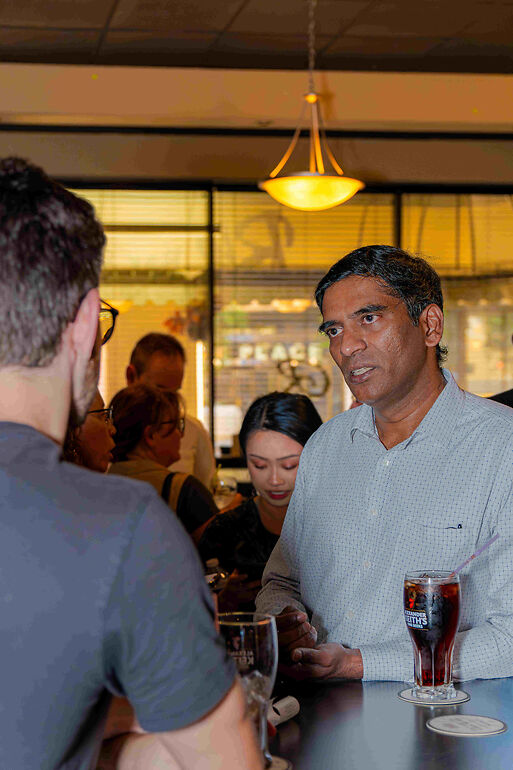
100+ Delegates, One Networking Session
People default to whoever they arrived with.
Open up the networking session at a conference of 100 or more delegates and watch the room. People stick with the colleague they traveled with, or the one person they already know from a past event.

It's not that delegates are unfriendly. It's that walking up to a stranger holding a coffee and a nametag, with no reason to talk to them specifically, feels awkward. So most people don't do it.
If the whole point of the session is new connections, that has to be engineered in. Left alone, a room of 100+ delegates will quietly resolve into small, familiar clusters within minutes.
Why does the networking session even matter?
The connections made here are the actual ROI of attending.
Delegates don't fly out to a conference just for the keynote slides. They come for the people. A genuine conversation with someone from another company, another market, or a different corner of the industry is often the thing they remember months later.
A networking session that just leaves people to mingle on their own tends to reward the people who are already good at networking. Everyone else ends up standing near the snack table, waiting for someone else to make the first move.
What should the icebreaker actually accomplish?
Give delegates a reason to approach a stranger.
Almost nobody wants to walk up to someone they've never met and introduce themselves for no reason. That's the real barrier. Not shyness, just the absence of an obvious opening line.

A good icebreaker hands delegates that opening. It turns approaching a stranger into a small task inside a game, instead of a personal risk they have to take on their own.
What actually works once you're past 100 delegates?
It has to run itself, without a host chasing people down.
Icebreakers that work for a roundtable of 12 fall apart at conference scale. You can't hand out printed bingo cards to 100+ delegates milling around a hall, and you can't have one host trying to track who's talked to whom.
At this size, the game needs to run without a facilitator: no paper handouts, no long rules explanation before anyone can start, and no one standing at the front managing the room.
That's exactly where phone-based interactive networking tools fit in. Delegates join on their own device, at their own pace, no one waiting on anyone else to catch up.
What does this look like in practice?
Jam Bingo
- JamBingo: Get delegates having real conversations instead of standing near the coffee station.
Looking for a simple way to get 100+ conference delegates actually mixing during the networking session? See how JamBingo works!
Delegates scan a QR code, get a conversation prompt on their phone, and go find someone in the room who matches it. Prompts can be built around the conference itself, like find someone attending for the first time, or find someone from a different country.
How do you run this during the actual session?
Give it a dedicated networking session.
Give networking its own slot, ideally, before delegates settle into a corner with people they already know.
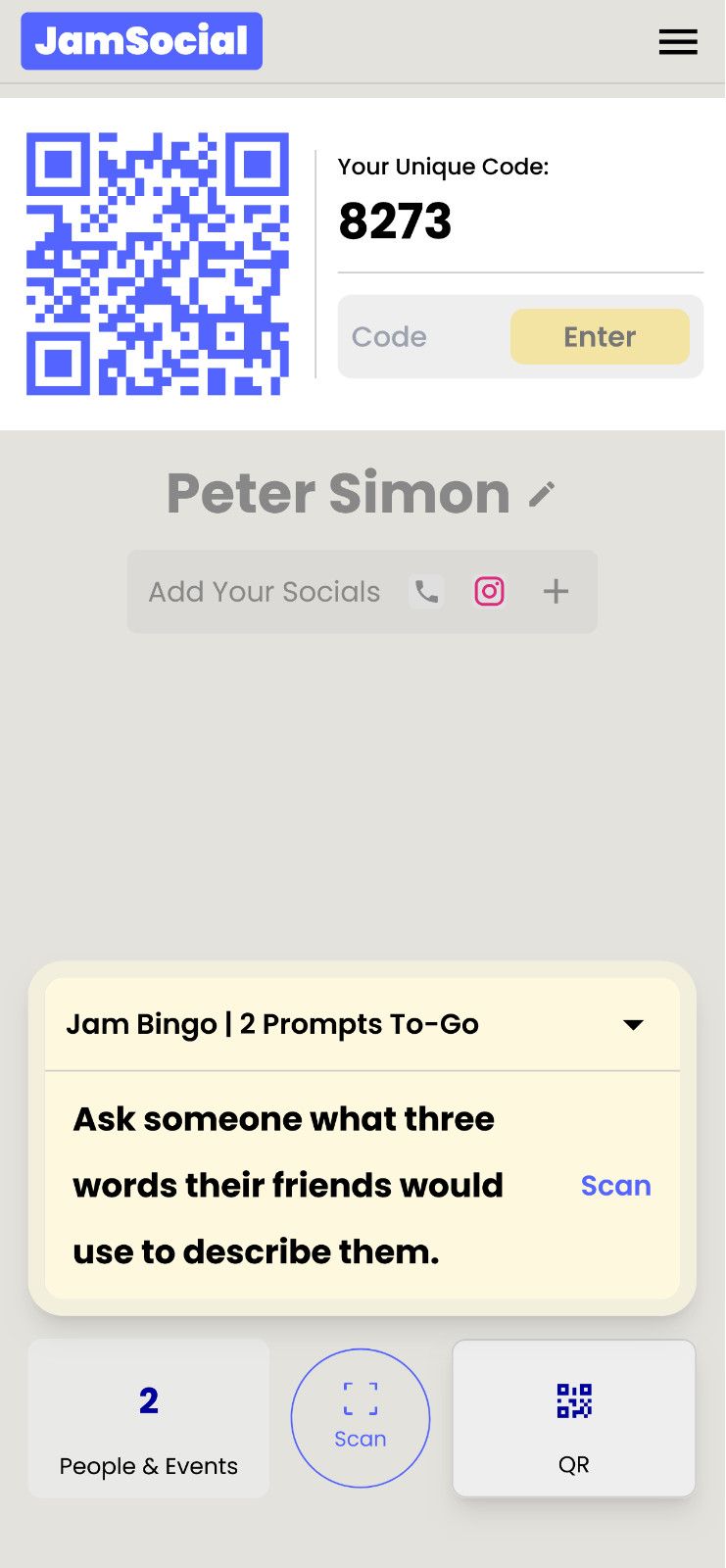
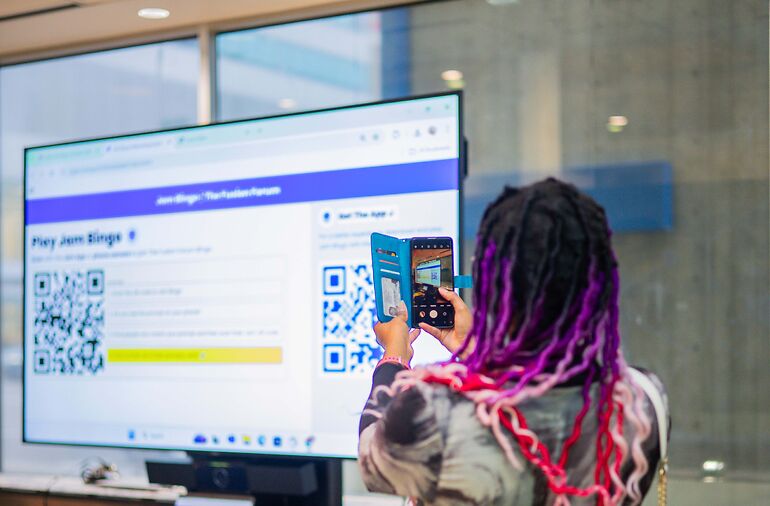
Put the QR code somewhere impossible to miss, on the main screen, on standees near the registration desk, so delegates can jump in without waiting for an announcement.
With 100+ delegates, expect a few minutes before the room really gets moving. That's normal. The goal isn't speed, it's getting people talking to someone new before they retreat to familiar faces.
What prompts actually get delegates mixing?
Conference-specific beats generic every time.
A prompt like find someone who likes coffee doesn't push anyone out of their comfort zone. Prompts tied to the conference itself, and to who's actually in the room, do.
- Find someone attending this conference for the first time.
- Find someone from a different company or organization.
- Find someone from a different country or region.
- Find someone who's attended a session you missed.
- Find someone whose job title is completely different from yours.
Prompts like these push delegates toward someone unfamiliar without it feeling forced. It just feels like part of the game.
Does it stick after the session ends?
Yes, if the interaction leaves something memorable behind.
The real measure isn't whether delegates talked for those 15 minutes. It's whether they remember each other at the next session, or exchange a LinkedIn message the following week.
That's why conference-specific prompts matter more than generic small talk. Find someone attending for the first time sticks a lot better than find someone wearing blue.

Delegates leave with a name, a face, and one small detail to anchor it to, which is usually enough to make the follow-up message feel a lot less cold.
So what's the actual next step?
Start with one structured activity during your next networking session.
You don't need to redesign the whole conference agenda. You just need one structured window where delegates are nudged to talk to someone they haven't met yet.