

Why Look Beyond Roundtable Networking?
Roundtables are a go-to for luncheons, dinners and topic-based sessions.
Everyone has a seat, a group and something to talk about.
They do some things really well. They also leave a lot of the room unmet.
Here's what they're good at, who they're for, where they fall short, and how to fill the gaps.

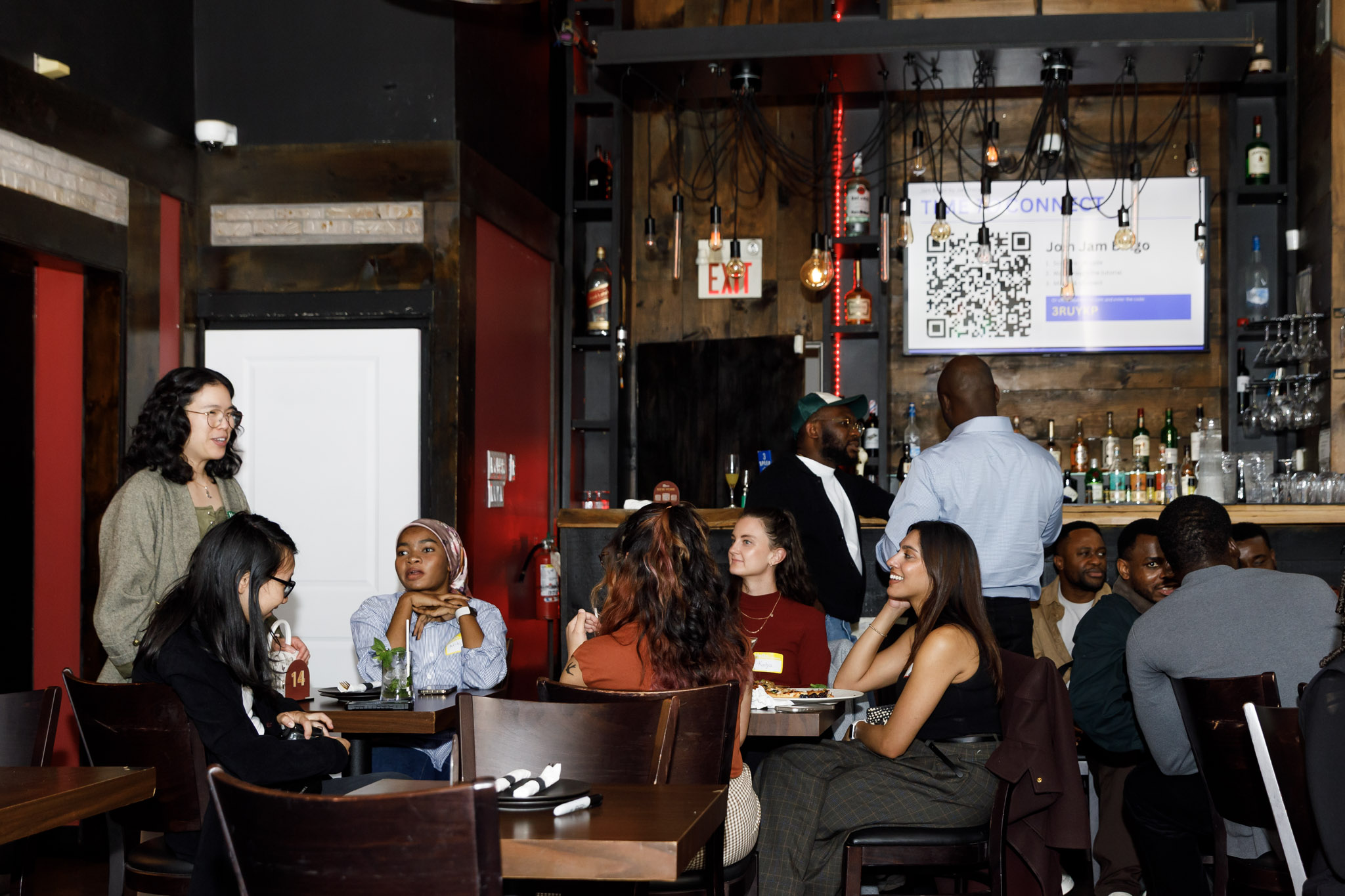
What Roundtable Networking Does Well
1. Deeper Conversations
45 minutes with the same 8 people gives you time to go past small talk.
Guests share real problems, swap advice and actually learn something.
2. A Comfortable Starting Point
Sitting down feels safer than walking up to a stranger.
Quieter guests can listen first and join in when they're ready.
3. A Built-In Topic
A sign that says 'Scaling a sales team' brings the right people to the same table.
4. Works With Food and Programs
Roundtables fit naturally into a lunch, dinner or panel. No extra space or setup needed.
5. Table Hosts Add Value
A good host keeps the chat moving, brings in quiet voices and makes introductions.
Who Roundtable Networking Is Good For
- Executive and peer-learning groups who want depth over volume.
- Association luncheons and annual dinners.
- Topic-based sessions where guests pick a subject they care about.
- Older or more reserved crowds who prefer to sit.
- Groups of 30 to 80 where a few tables cover the room.
Where Roundtables Fall Short
1. Limited Reach
At a 200-person dinner, each guest meets about 8 people. The other 190 stay strangers.
2. People Sit With Who They Know
Coworkers grab a table together. Friends save each other seats.
Before the session starts, the room has already split into small groups.
3. One Person Does the Talking
At a table of 8, the loudest person often runs the conversation.
Without a good host, quieter guests listen for 45 minutes and leave without a real connection.
4. Rotations Are Clunky
Moving everyone to new tables means bags, coats, drinks and plates on the move.
Many guests skip the rotation and stay put.
5. Depends on Table Hosts
A great host makes a table. A shy or absent host can leave it silent.
5 Alternatives to Roundtable Networking
1. Mixed Seating (for cliques at every table)
Put a colour or number on each name tag and assign tables by it.
It splits up groups that came together. It just needs a bit of planning before the event.
For company events, see how to get departments to mix at a corporate event.
2. Go-Around Questions (for when one voice takes over)
Give table hosts 3 or 4 questions and ask them to go around the table for each one.
Everyone answers, so everyone gets airtime.
3. Table Ambassadors (for clunky rotations)
Try table ambassadors instead. Every 10 minutes, one person per table moves to the next table.
It's lighter than a full rotation, though only a few people actually move.
4. Jam Bingo (for meeting people beyond your table)
Add a standing mixer before or after the seated part, so guests meet the rest of the room.
Jam Bingo gives guests a reason to leave their table and say hi to someone across the room.
Each person gets a conversation starter that points them to a new face, not a familiar one.
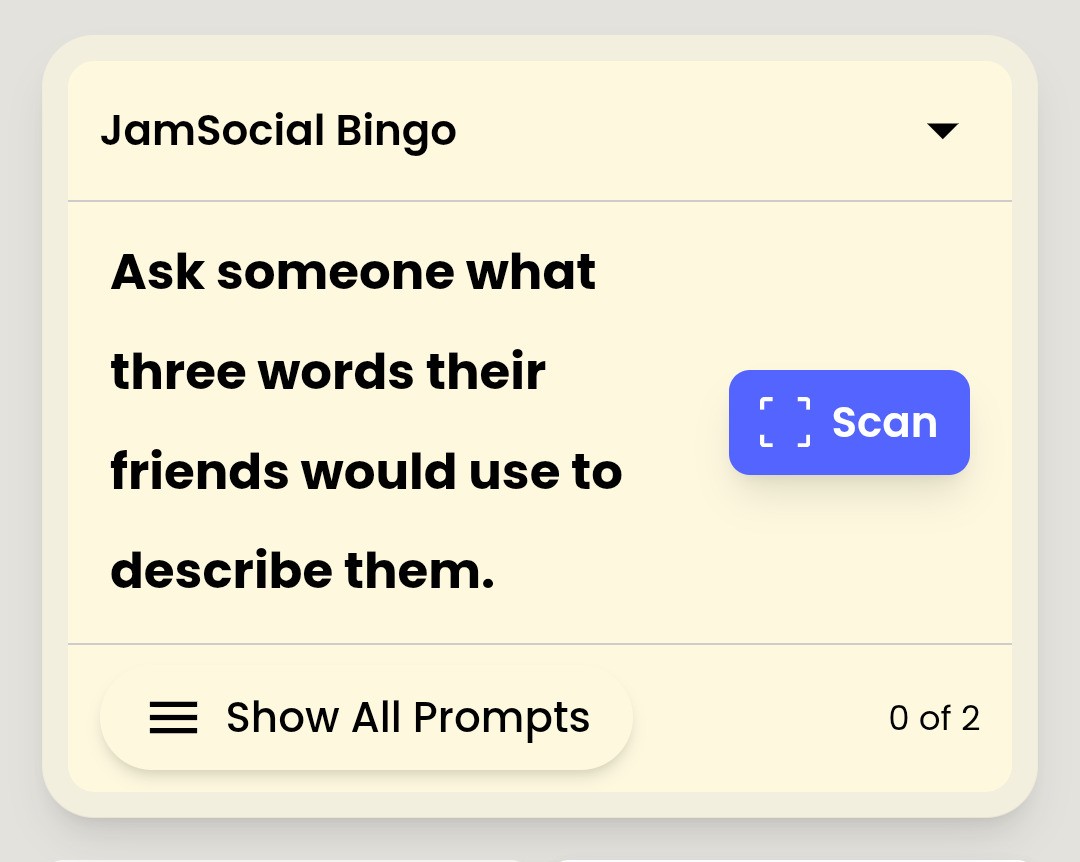
Because it's a game, even the guests who'd normally stay seated get up and play.
When everyone sits back down, they already know people at other tables. See how Jam Bingo works!
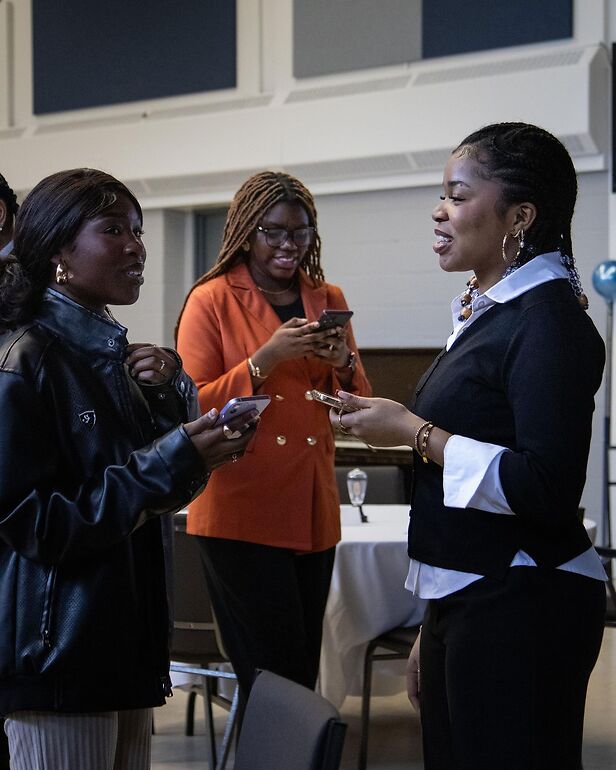

5. Stand-Up Rounds (for tight seated programs)
Use stand-up rounds. Between courses or speakers, ask everyone to find someone from another table for 5 minutes.
Put a question on the screen so they have something to talk about.
Which One Should You Use?
- Small, topic-focused group: keep roundtables, with table hosts and a few questions.
- Seated dinner where people came in groups: mixed seating plus stand-up rounds.
- Large luncheon or gala: a standing networking game before everyone sits.
- Company event with teams: mixed seating plus prompts that point people to other departments.
A 45-Minute Plan That Mixes Both
- 0 to 5 minutes: guests grab a drink and you explain the game in one line.
- 5 to 25 minutes: everyone stands and plays Jam Bingo across the room.
- 25 to 40 minutes: guests sit at a topic table, ideally with someone they just met.
- 40 to 45 minutes: shout out the top 3 players and start your program.
Hosting a dinner? See this association annual dinner networking activity.
Morning event? Try this networking breakfast icebreaker activity.
Frequently Asked Questions
What is roundtable networking?
Guests sit at tables of 6 to 10, often with a topic or a table host, and talk as a group. Some formats rotate people between tables every 10 to 15 minutes.
Who is roundtable networking good for?
Executives, peer-learning groups, association luncheons and any event built around a meal or a topic. It's great for deeper conversations and for guests who prefer to sit and listen first.
What's the main downside of roundtables?
Reach. Most guests only meet the people at their table, and those people often came together. One strong voice can also take over the table.
Can I keep the tables and still get people mixing?
Yes. Use mixed seating, give table hosts a few prompts, and run a 20 to 30 minute standing game like Jam Bingo before or after the seated part.