
7 Social Games for Professionals That Actually Work at a Mixer
Professionals respond better to activities they can opt into on their own terms than to activities that require them to be called on or assigned.
Self-directed games — where you decide when to play, who to approach, and how long to engage — feel social rather than mandatory.
The 7 Games and Rules That Work
1. Would You Rather — Professional Edition
Present a series of professional dilemmas and have people pair up to discuss their answers. The questions should be genuinely interesting rather than trivial: 'Would you rather have more autonomy or more security in your career?' or 'Would you rather be the best at a niche skill or competent at many things?'
These questions open up real conversation about values, career philosophy, and experience — the kind of conversation that makes a mixer memorable.
2. Industry Trivia
A short, self-guided trivia challenge relevant to the professional community at the mixer. Can be run as teams or individuals. Works especially well as a warm-up activity before the main social period begins.
3. The Expertise Exchange
Give each attendee a card with 'I can help with...' and 'I am looking for help with...' printed on it. People fill in their own answers and then the card becomes a conversation starter. The format works because it is immediately useful — people are not just playing a game, they are potentially solving a real problem.
4. Digital People Bingo
Ideal for Large Groups (100+ People)
Get people having meaningful conversations and meeting as many new people as possible.
You're looking for a simple and no-prep way to incentivize people to interact with each other.
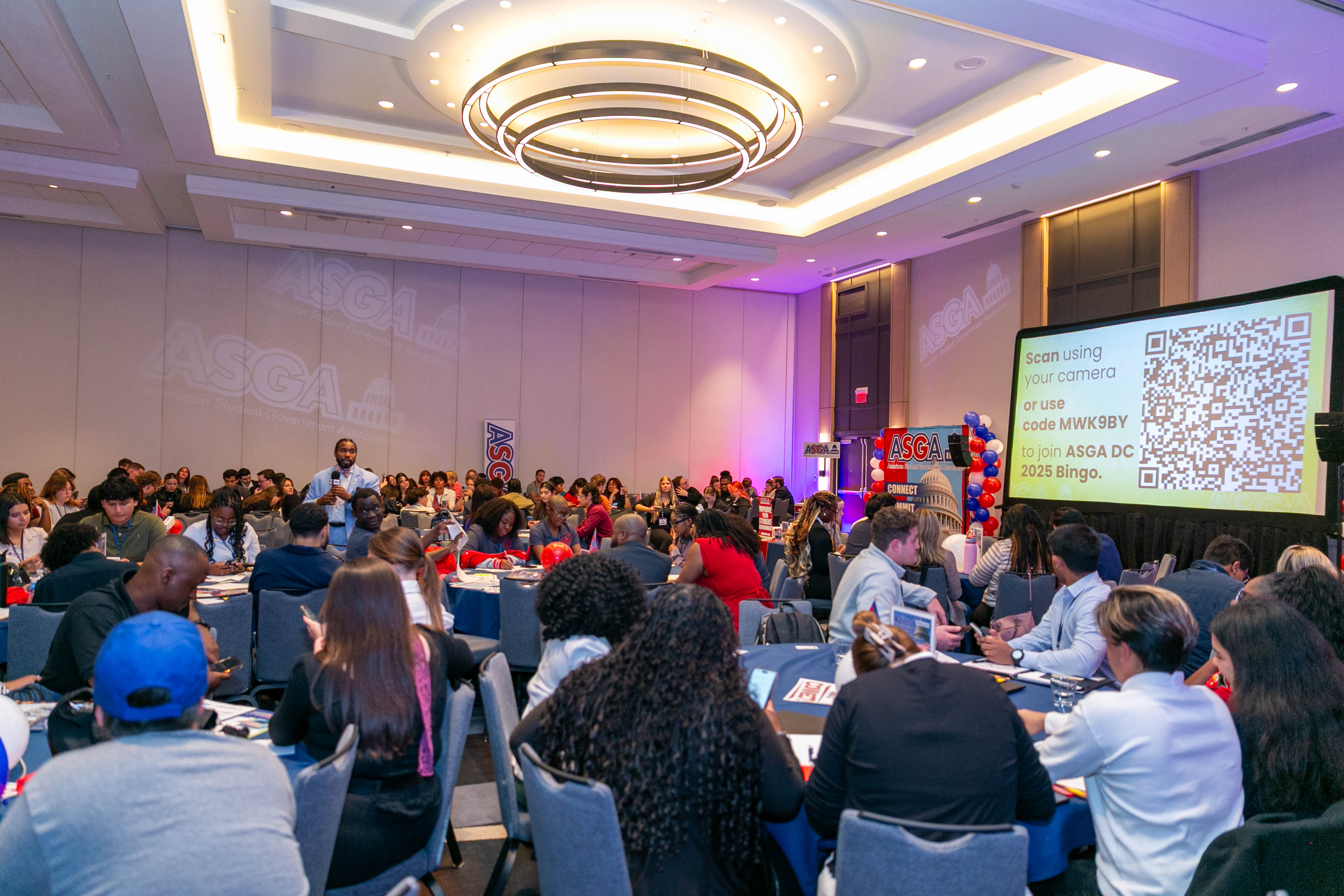
Attendees scan a QR code, receive a card of conversation prompts, and mingle to find people who match. The prompts give everyone a reason to approach someone new without the full weight of a cold introduction.
Examples of prompts for professionals:
- Find someone who changed industries at some point in their career.
- Find someone who has a side project they are more excited about than their main job.
- Find someone whose commute is significantly longer or shorter than yours.
- Find someone who has mentored someone more junior in their field.
- Find someone who reads professional content for fun, not just for work.
- Find someone whose career path they could not have predicted five years ago.
- Find someone who has given advice they later realized was wrong.
- Find someone who has chosen a lower-paying role for a better quality of life.
Tools like Jam Bingo make this completely paperless — a single QR code handles everything, and the prompts can be tailored to the industry or theme of the mixer.

5. Frame It Lightly
Introduce the activity with one or two sentences from the host, make it clearly optional, and let people self-select in. A game that twelve people play genuinely is better than a game forty people play reluctantly.
6. Start During Arrival, Not Mid-Event
The best window for a social game at a mixer is the first thirty to forty-five minutes — when people are still arriving and looking for something to orient around. Running it mid-event disrupts conversations already in progress. Running it too late, when people are winding down, gets low pickup.
7. Keep the Real Goal in Sight
The best professional social mixer is one where people leave having had a conversation they did not expect. Not necessarily a career-changing conversation — sometimes just an interesting one with someone they would not have met otherwise. Games that create that outcome are worth running.