
Where to Put Networking in Your Event Agenda
When you schedule networking matters as much as how you run it.

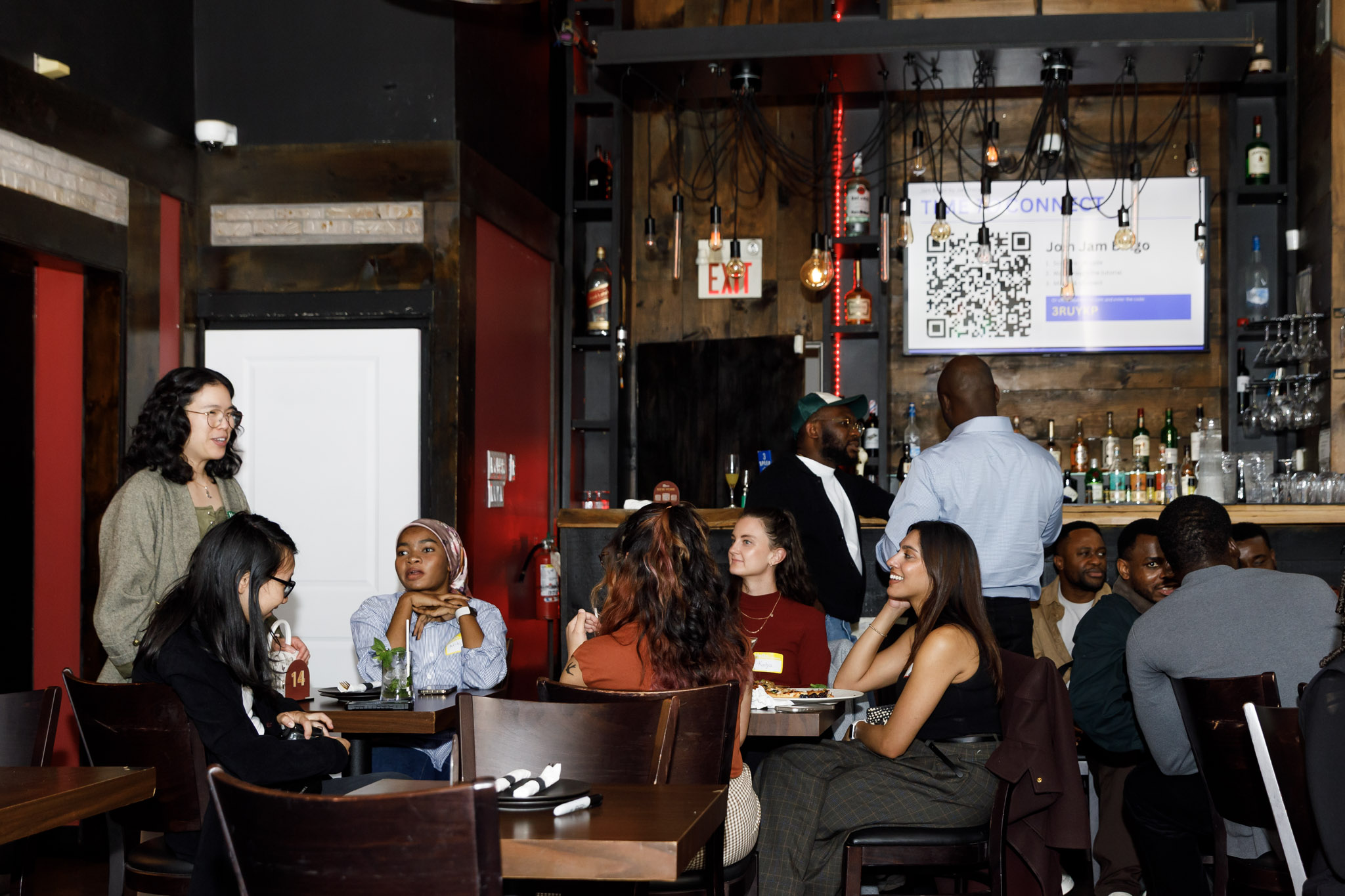
Why Networking at the End of the Agenda Fails
Most agendas put networking last: 'Networking and drinks, 7:30 to 9:00.'
By then, people are tired and the ones who know nobody have already left.
The people who needed networking most never got it.
Best Time Slot for Networking:
30 Minutes In
Start a structured networking activity about 30 minutes into the event.
By then, late arrivals are in and most of the room is there to play.
Everyone meets two or three people before they sit down.
Now they have someone to sit with, someone to talk to at the break, and a reason to stay.
Second Best Slot:
Right After the Main Talk
A good talk gives everyone the same thing to talk about.
Start networking within 2 minutes of applause, before people check their phones.
Put a discussion question on screen: 'What's one idea from that talk you'd try?'
Networking at a Summit
Best Time: During the Opening Reception
Run a 15 to 20-minute networking game during the opening reception.
Guests are already standing with a drink, so it's easy to walk up to someone new.
By the first session, everyone knows a few faces in the room.
Networking at a Corporate All-Team Event
Best Time: Before the Lunch Buffet
Start networking 15 to 20 minutes before lunch opens.
People from different teams meet before they sit down, so they don't just eat with their own department.
Keep the game going in the buffet line. It turns waiting time into networking time.
Best Time: During the Networking Happy Hour
Start a 20 to 30-minute networking game about 30 minutes into happy hour.
Without it, people stand with their own team all night.
The game gives everyone a reason to walk up to someone from another department.
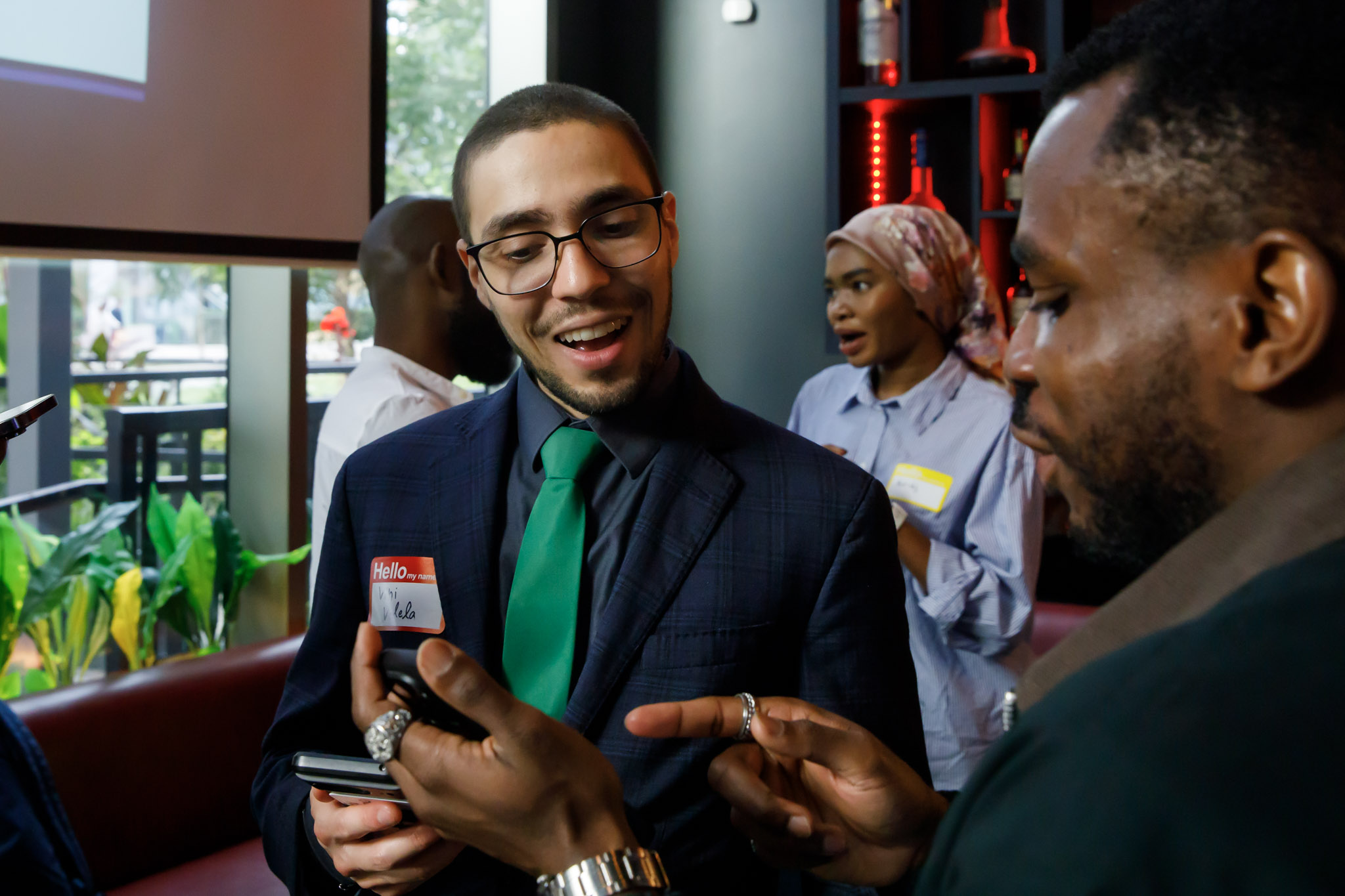
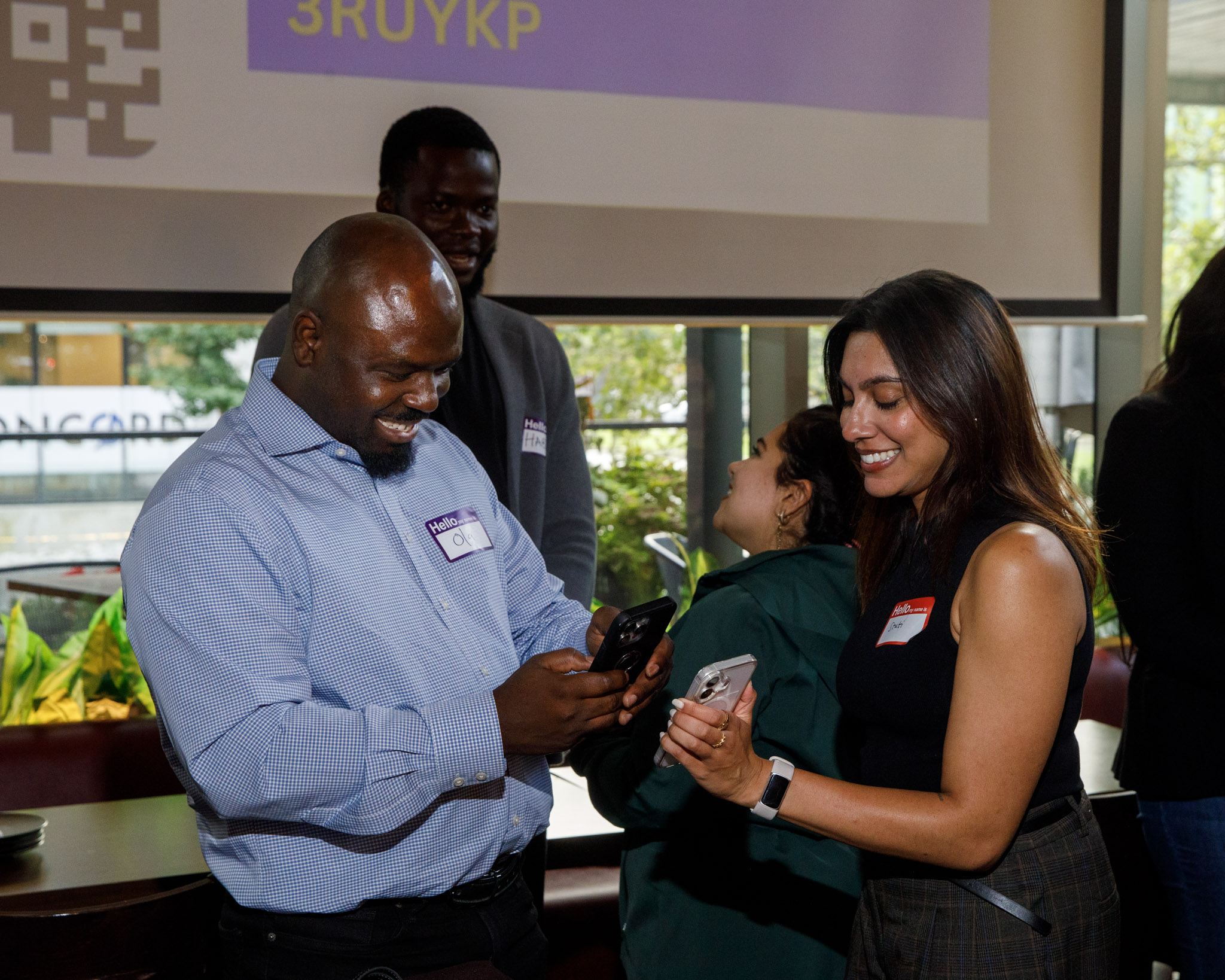
Networking at a Conference
Best Time: After a Panel Discussion
Start networking right after the panel ends.
Use prompts tied to the panel topics, like 'Find someone who disagreed with a panelist.'
The panel gives everyone an easy first question, so conversations start fast.
How Long Networking Should Be in Your Agenda
- Opening icebreaker: 10 to 15 minutes
- Structured networking session: 20 to 45 minutes
- Coffee breaks: 15 to 20 minutes, never less
- Open networking after content: 30 to 60 minutes
A 10-minute coffee break isn't networking. It's a line for the bathroom.
Sample Run of Show: 2-Hour Networking Mixer
- 6:00 pm: Doors open, check-in, name tags, drinks
- 6:30 pm: Host welcome (2 minutes) and networking game starts
- 7:00 pm: Leaderboard shout-out, game ends, open mingling
- 7:15 pm: Short talk or panel (20 minutes)
- 7:35 pm: Discussion question on screen, open networking
- 7:55 pm: Thank yous and next event date
- 8:00 pm: Event ends (people stay if it went well)
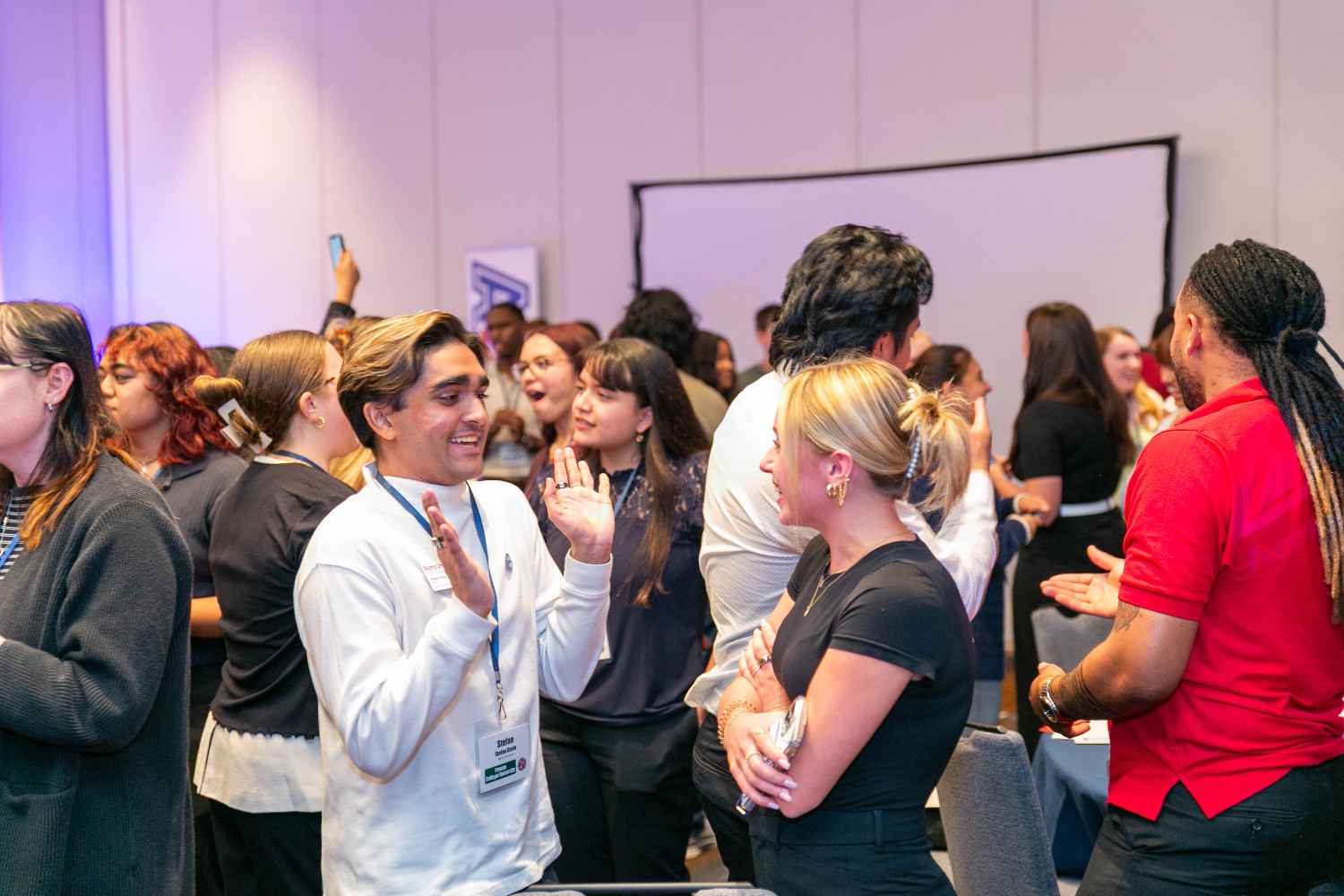
Sample Run of Show: Half-Day Professional Event
- 8:30 am: Breakfast and check-in
- 9:00 am: Welcome and 15-minute opening icebreaker
- 9:15 am: Keynote
- 10:00 am: Coffee break (20 minutes) with discussion question on screen
- 10:20 am: Breakout sessions
- 11:20 am: Structured networking session (30 minutes)
- 11:50 am: Closing remarks
- 12:00 pm: Lunch and open networking
Sample Run of Show: Full-Day Conference Networking
- Morning: 15-minute opening icebreaker before the first keynote
- Mid-morning break: 20 minutes, coffee in the networking area
- Lunch: mixed seating, with a table question card
- Afternoon: 30-minute structured networking session
- End of day: reception with a networking game and leaderboard
For multi-day events, run the game on day one so people have familiar faces for day two.
What to Put in Your Run of Show for Networking
- Exact start and end time
- Who launches it, and what they say
- What's on screen (QR code, instructions, leaderboard)
- Music cue for start and end
- Who walks the room to help stragglers
- How it ends (prizes, shout-out, next segment)
Need the words? Use this word-for-word emcee script to launch a group networking game.
A Networking Activity That Fits Any Agenda Slot
Jam Bingo fits a 10-minute opener or a 45-minute session. You pick how many prompts each guest gets, so it ends on time.
Guests meet people from other teams or companies in the first slot, and talk to them all day.
See how the networking game for your event agenda works.
Frequently Asked Questions
When should networking happen at an event?
About 30 minutes in, once most people have arrived. Run a short structured networking activity then, and add open networking after the main content. People who meet someone early stay longer and talk more.
How long should networking be at an event?
20 to 45 minutes for a structured networking session. Open networking after content can run 30 to 60 minutes, but most rooms thin out after 45.
Should networking be before or after the speaker?
Both, if you can. A 15-minute game before the talk warms the room, and networking after gives people something to talk about.
Where should networking go at a corporate all-team event?
Right before lunch. Run a 15 to 20-minute networking game before the buffet opens so people meet other teams before they sit down, and let it keep going in the food line.
What is a run of show?
A minute-by-minute plan of the event: what happens, when, who's responsible, and what's on screen. It keeps the host, AV team, and venue in sync.