First Day of School: Welcome Back Juniors & Seniors
Case Study: Interactive Icebreaker Activity to Welcome Back Juniors & Seniors

How a School Broke the Ice on the First Day Back
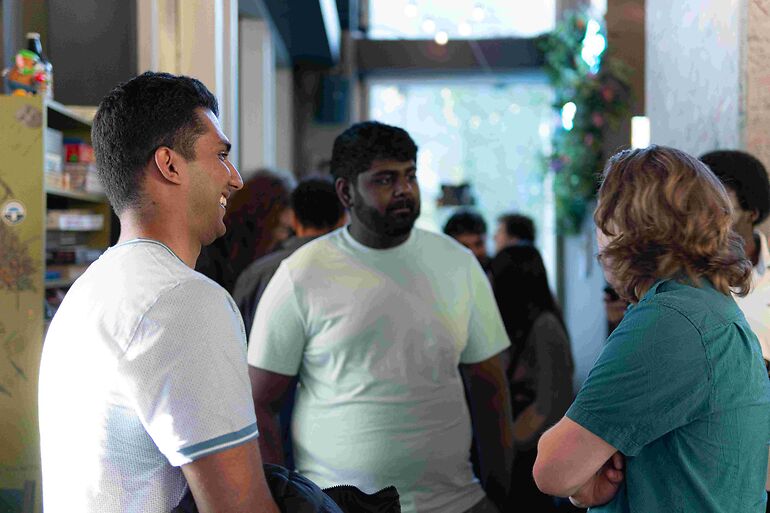
Juniors and seniors filed back into the gym for the first assembly of the year, most sitting exactly where they'd left off in June—next to the same friends, in the same corner of the bleachers.
We wanted juniors and seniors to actually mix instead of just sitting with whoever they walked in with.
Many students hadn't seen classmates outside their immediate friend group all summer, and the two grades rarely interacted beyond a handful of shared electives.
Getting hundreds of students to open up about their summer—and to people they don't normally talk to—can be a tough ask first thing in the morning.
The Need for a Networking Activity
Left on their own, students default to their existing friend groups every time.
Juniors stuck with juniors, seniors stuck with seniors, and cross-grade interaction stayed minimal.
The goal of bringing both grades together for a shared welcome-back moment was undercut by everyone simply sitting with people they already knew.
The school wanted something that pushed students to talk to someone new—and actually share something about their summer—without needing a teacher to walk around and force it.
The Goal: Get Students Talking to Someone New
The ask was simple to state but harder to pull off: design a 20-minute icebreaker for a packed gym that got juniors and seniors swapping summer stories with people outside their friend group.
It also had to work in a loud, crowded space, before first period, with zero setup time.
Handing out paper bingo cards or running a scripted activity for hundreds of students isn't realistic on a tight morning schedule.
The school needed something students could jump into instantly, using only their phones.
What Is Jam Bingo?
Jam Bingo gives everyone a simple prompt that sends them off to find someone new and have a real conversation.
Instead of standing around with the same three friends, each student got a prompt tied to summer—like finding someone who traveled somewhere new or picked up a hobby.
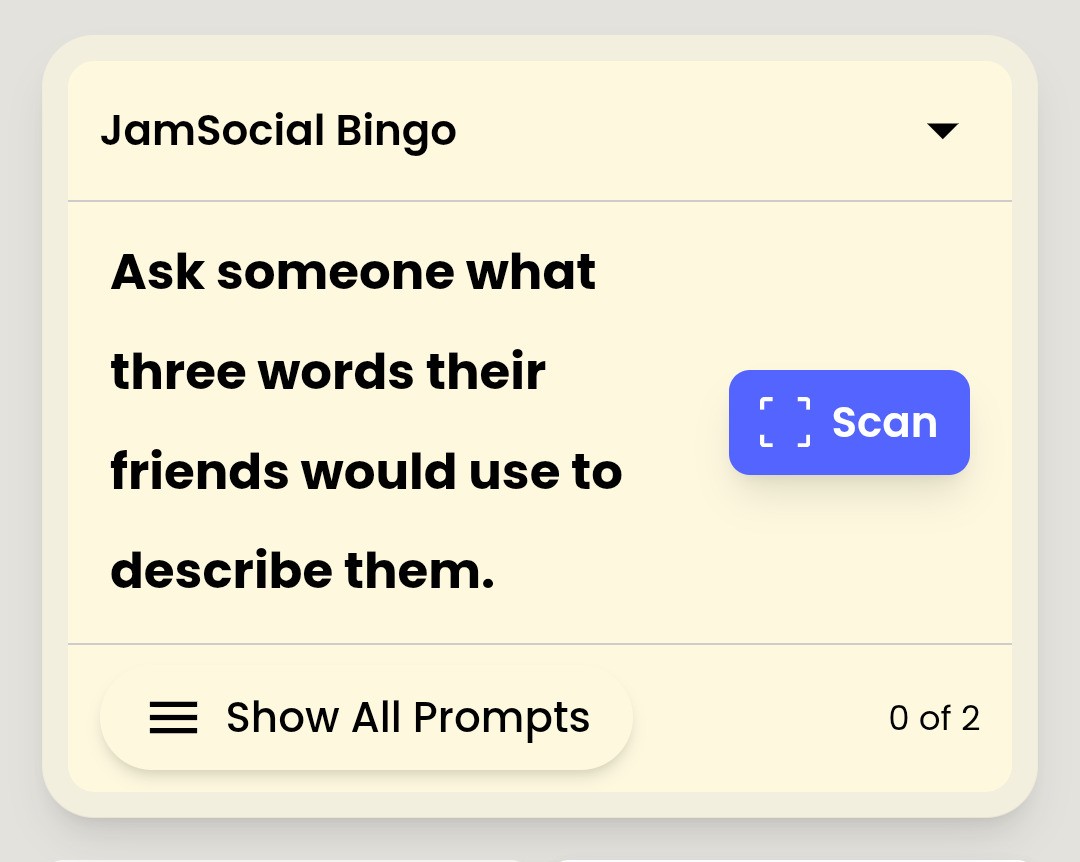
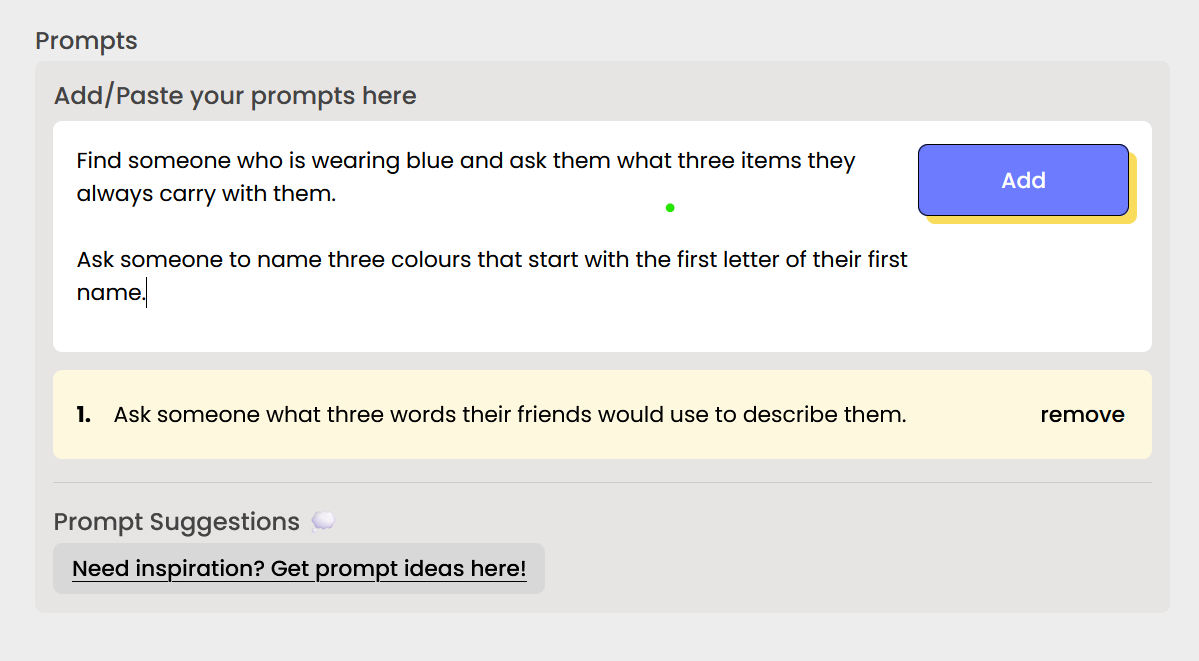
To unlock the next prompt, students had to find a classmate, actually talk, and share something real about their summer.
It turned a normally awkward gym full of small talk into short bursts of genuine conversation, with no facilitator needed.
How the School Used It
Students scanned a QR code on the big screen as they found their seats in the bleachers.
Once the assembly started, the countdown kicked off and everyone jumped in at once.
Each student got their own prompt on their phone, sending them hunting through the bleachers for someone they hadn't talked to yet.
It was loud, it was chaotic, and it actually worked—kids who never talk were suddenly comparing summer stories.
Because juniors and seniors were seated in overlapping sections, the prompts naturally pushed students across grade lines instead of staying within their own class.
By the end, most students had swapped summer stories with 10 or more classmates they wouldn't normally have talked to that morning.
The Segue to First Period
By the time the bell rang, the energy in the gym had noticeably changed.
Students headed to first period having already talked to people outside their usual group, instead of walking straight past them.
It took the edge off the usual first-day awkwardness of new schedules and unfamiliar faces in class.
Students showed up to first period already a little more comfortable in a building full of familiar-but-not-quite-known faces.
A Little Competition Kept Energy High
Tapping into normal high school competitiveness, Jam Bingo turned the icebreaker into a small challenge rather than a chore.
Small prizes like gift cards and school swag kept the top networkers motivated to keep finding new people.
The prizes helped with energy, but the real win was the number of new conversations happening in one gym in 20 minutes.
In Their Own Words
"It was loud, it was chaotic, and it actually worked—kids who never talk were suddenly comparing summer stories."
The Takeaway
For any welcome-back assembly or first-day event, that first 20 minutes is a window that either reinforces existing cliques or breaks them open a little.
Left unstructured, students default to sitting with who they already know. With a simple structured prompt, that same time turns into dozens of new conversations.
This school used Jam Bingo to turn 20 minutes of gym time into hundreds of small, genuine connections between juniors and seniors.
It set a more open, connected tone for the rest of the year—starting before first period even began.
Planning a welcome-back assembly or first-day event? Use Jam Bingo to get students talking to someone new, fast.
Frequently Asked Questions
What is a good icebreaker for a welcome-back assembly?
A phone-based game like Jam Bingo works well. Students scan a QR code on the big screen and get summer-themed prompts that send them to find and talk with classmates outside their usual friend group.
How long does the activity take?
The school in this case study ran it as a 20-minute icebreaker during the first assembly, before first period.
Does it work in a loud, crowded gym?
Yes. Each student gets prompts on their own phone, so nobody has to hear instructions over the noise, and there's no setup beyond showing the QR code on screen.
How do you get juniors and seniors to mix?
Seat the two grades in overlapping sections. The prompts then naturally push students across grade lines instead of keeping them within their own class.
How many classmates did students talk to?
By the end of the activity, most students had swapped summer stories with 10 or more classmates they wouldn't normally have talked to that morning.
Do you need prizes?
They help with energy. The school offered small prizes like gift cards and school swag to the top networkers, but the real win was the number of new conversations.