
Why do students need to learn networking in the first place?
Here's a stat that should be in every school's curriculum:
Around 70% of jobs are found through connections — not job boards, not cold applications.
Yet networking is almost never taught in school.
Students spend years learning how to write essays and solve equations. But nobody teaches them how to walk up to a stranger, introduce themselves, and make a real impression.
That gap is expensive. Not in dollars — in missed opportunities.
When should students actually start networking?
Earlier than they think — networking starts on day one
A lot of students think networking is something you do after graduation.
It's not.
Networking starts the moment you walk into campus. The classmate sitting next to you in first year could be a hiring manager someday.
The relationships you build in school aren't just social — they're the foundation of a professional network that will grow for decades.
The earlier students start, the more reps they get. And reps are everything when it comes to building confidence.
What's the biggest thing holding students back from networking?
Fear — and not knowing what to say
Most students aren't avoiding networking because they don't care. They're avoiding it because it feels uncomfortable.
They don't know how to start a conversation. They don't know what to say after 'hi.' They're afraid of coming off as awkward or fake.
The fix isn't motivation. It's practice.
Confidence in networking comes from repetition — from having enough conversations in low-stakes environments that the skill starts to feel natural.
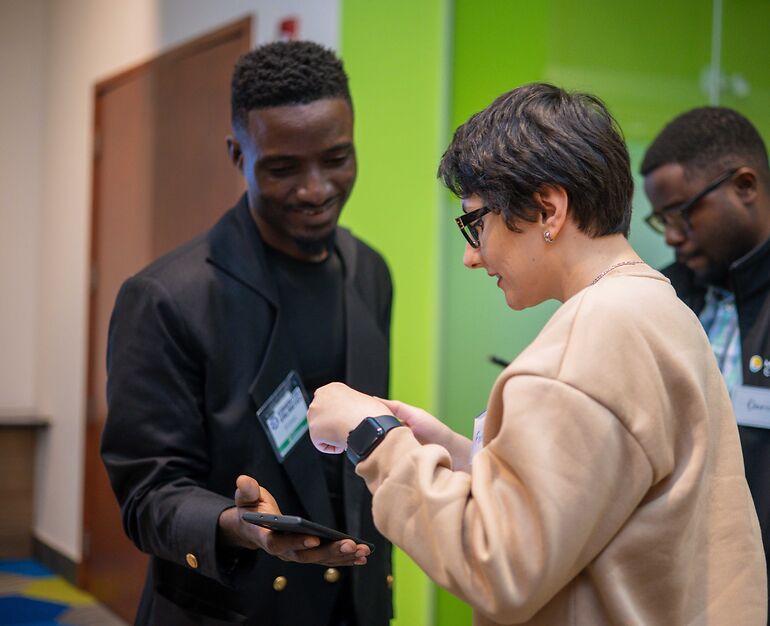
That's exactly why structured activities and games are so effective for students. They remove the 'what do I say?' problem entirely.

What are the core skills students need to practice?
Active listening — it's not about talking, it's about hearing
A common mistake students make at networking events is treating the conversation as one-sided.
They walk in and talk at someone — not with them.
You don't need to recite your resume to make a strong impression. Ask questions. Actually listen to the answers. Let the conversation breathe.
Open-ended questions — the networking superpower
Closed questions kill conversations. 'Do you like it here?' gets a yes or no and then silence.
Open-ended questions open doors. 'What brought you to this event?' or 'What are you working on right now?' give the other person room to share something real.
Students who master open-ended questions never run out of things to talk about.
The follow-up — where most students drop the ball
Meeting someone is only step one. The relationship is built in what happens after.
A simple follow-up message within 24 hours — referencing something specific from the conversation — turns a one-time meeting into a real connection.
Teach students a simple template: 'Hey [name], great meeting you at [event]. I really liked what you said about [topic]. Would love to stay connected.'
Short. Personal. Specific. That's all it takes.
What activities actually help students practice networking?
1. Speed Networking — fast reps, low pressure
Speed networking is exactly what it sounds like. Pairs of students get 3–5 minutes together, then rotate.
It's fast-paced enough that nobody gets stuck in an awkward lull. And because the timer ends the conversation for you, students don't have to figure out how to exit gracefully.
Give each round a specific prompt — 'your biggest goal this semester' or 'a skill you're working on' — so students have something to anchor the conversation to.
2. Role Play — practice the uncomfortable moments
Role play gets a bad reputation. But it works.
Give students a scenario: introduce yourself to a professional at a career fair. Ask a professor for advice. Follow up after a networking event.
Run the scenario, debrief, and run it again. The first time feels awkward. By the third time, it starts to feel natural.
The goal is to take the discomfort out of the real moment by pre-loading the experience in a safe environment.
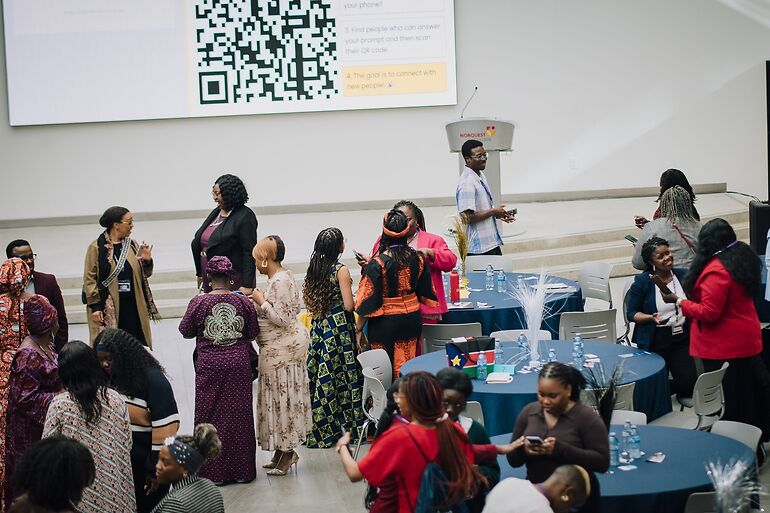
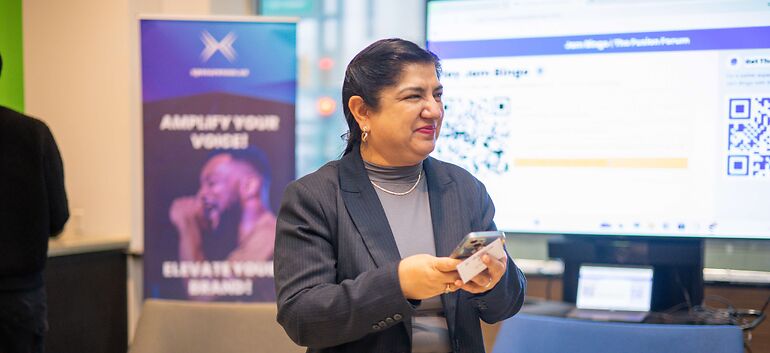
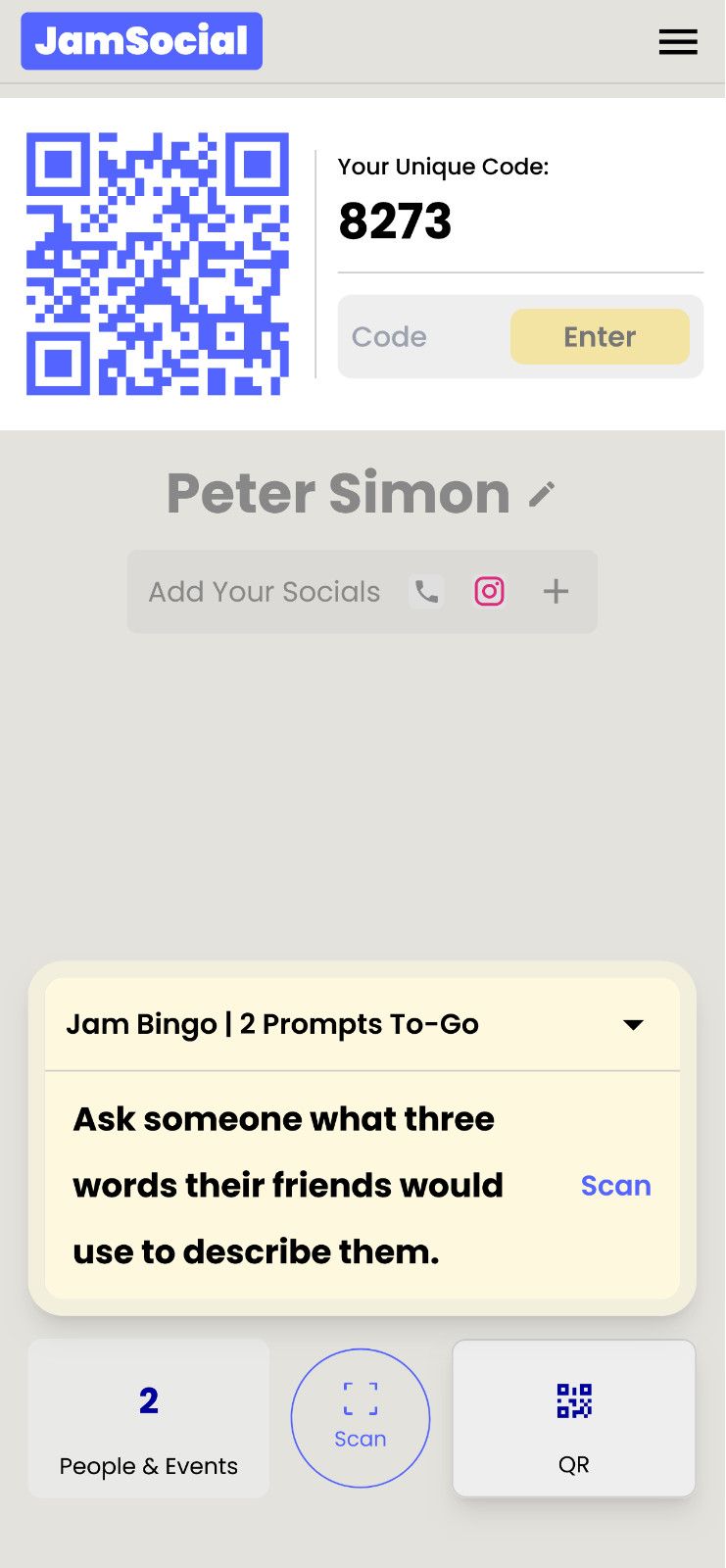
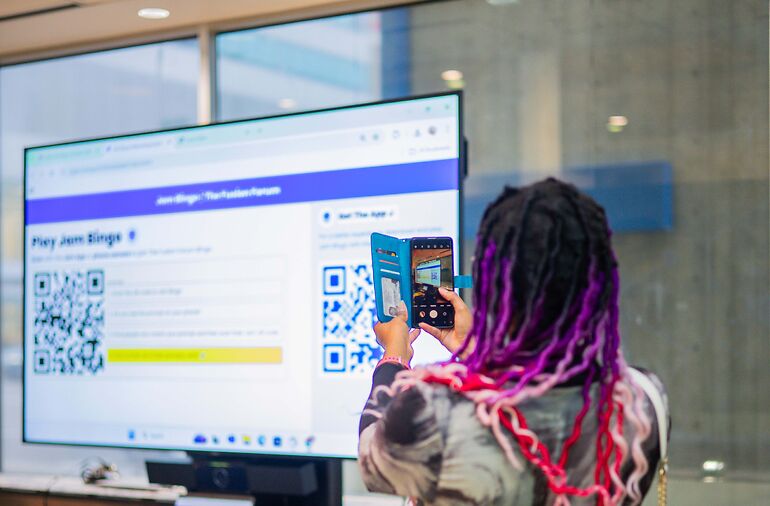
3. JamBingo — gets students moving and talking across the room
JamBingo is one of the best networking games for students because it gives everyone a structured reason to approach someone they've never talked to.
Each student gets a prompt — 'find someone who has done an internship' or 'find someone who speaks more than one language.' Students mingle and practice networking until they've completed all their prompts.
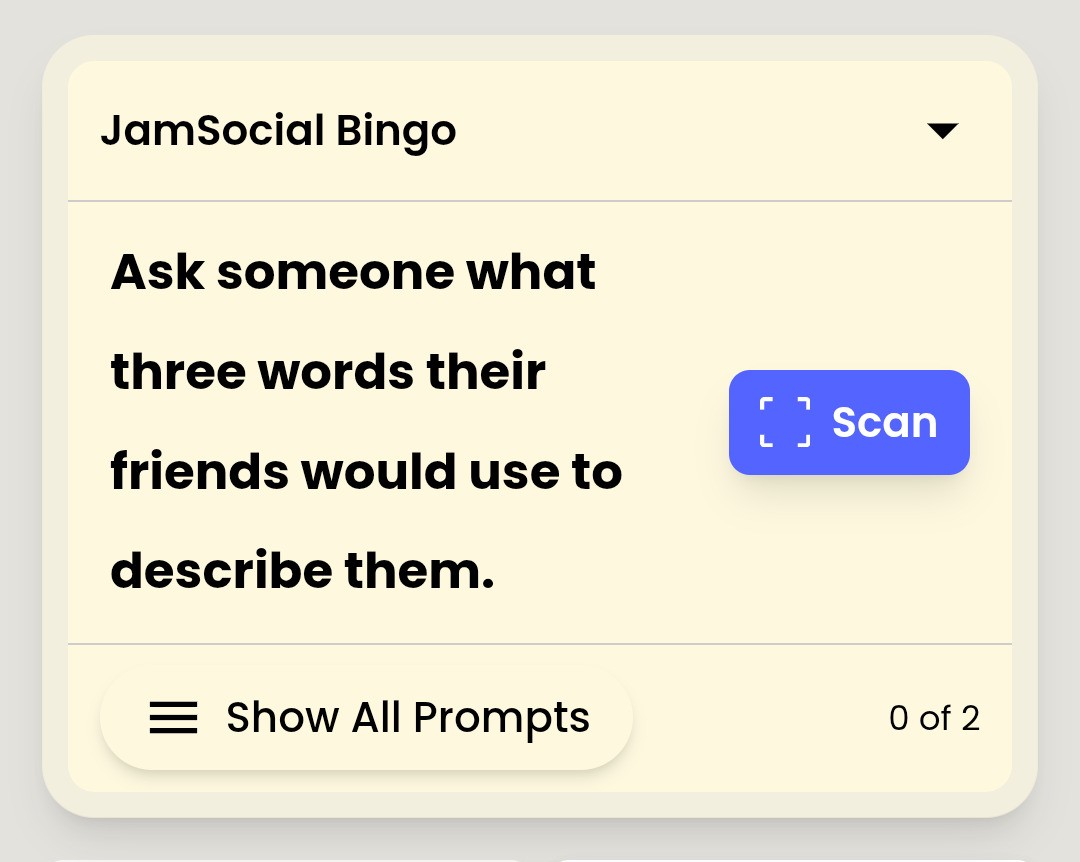
Every prompt is a conversation. By the end, students have talked to more people than they would have in a full semester of classes.
For educators and event organizers running student networking events, it also gives you real data — how many connections were made, which prompts sparked the most conversations, and who participated.
You can customize the prompts to match the topic for your students — career fairs, orientation events, club mixers, lunch-and-learns. The prompts make the game.
Where should students be practicing these skills outside of organized events?
With professors — an underused resource
Office hours exist for a reason. Most students never use them.
Professors have spent years in industry and academia. They're well-connected. And they're generally happy to help students who show genuine curiosity.
A student who visits office hours once a month builds a relationship that could turn into a reference, a referral, or a mentor.
With alumni — the most underrated network a student has
Alumni were in the exact same seat not long ago. Most of them want to help the next generation figure it out.
Reach out through your university's alumni network. Keep it simple: introduce yourself, mention a shared connection (your school), and ask one specific question about their career path.
Most people enjoy being asked for advice. It means someone values their experience.
On LinkedIn — but done intentionally
LinkedIn isn't just a job board. It's a live networking floor.
Students should be following thought leaders in their field, engaging with posts, and connecting with professionals after meeting them in person.
A strong LinkedIn profile also matters more than students realize. Profiles with a professional photo are dramatically more likely to be viewed. A clear headline — 'Marketing student passionate about brand strategy' — signals intent and makes a memorable first impression.
At clubs, events, and anywhere people gather
Every club meeting, every career fair, every guest speaker session is a networking opportunity.
The key shift is mindset. Students who see these moments as networking practice — not just social events — accumulate reps faster than anyone else.
Even small talk on the bus or in the cafeteria counts. The more students practice starting conversations with strangers in everyday life, the easier it gets everywhere else.
What prompts can students use to start conversations at a networking event?
Keep a few go-to questions in your back pocket
The hardest part of any networking conversation is the first sentence. Having a few ready-to-go questions removes that barrier entirely.
Here are some that work well for students at professional events:
- How did you get started in your career? (Gets them talking, creates space to listen.)
- What's the next big thing happening in your industry that I should know about?
- What do you wish you'd known as a student entering your field?
- What does a typical week look like for you in your role?
- Is there anyone here tonight you think I should meet?
That last one is especially powerful. It shows confidence, and it often opens up introductions that wouldn't have happened otherwise.
Want a full bank of student-friendly networking prompts? Browse our archive here.
What's the one mindset shift that changes everything for student networkers?
Stop trying to impress — start trying to learn
Students often walk into networking events thinking they need to prove themselves.
That pressure makes everything harder.
The best networkers in any room are the ones asking the best questions — not giving the best pitches.
When a student approaches someone with genuine curiosity instead of a rehearsed elevator pitch, the conversation relaxes. Both people enjoy it more. And ironically, the student ends up making a better impression.
Networking isn't a performance. It's a conversation. The sooner students learn that, the faster they get good at it.
What does networking actually look like for a student?
It's not formal events and business cards — it's everyday conversations
Students picture networking as a room full of suits exchanging business cards. That's not where most real connections happen.
Real networking looks like talking to a professor after class. Asking a guest speaker a genuine question. Following up with someone you met at a club event.
It's about building relationships — not collecting contacts.
At its core, networking involves making a good impression, finding common ground, and staying in touch over time. Those are skills that can be practiced anywhere.