
Digital People Bingo
The Networking Hack That Actually Works at Scientific Conferences
You've been there. A big scientific conference with hundreds of researchers in the same building, coffee breaks everywhere, and yet most people spend the entire event talking to the same five colleagues they already know.
Senior folks cluster together. Junior researchers hover on the edges. The cross-disciplinary conversations that could spark something genuinely new? They rarely happen by accident.
Why Networking Feels So Painful at Science Conferences
The Expertise Barrier Is Real
Talking to someone outside your narrow subfield can feel risky. What if your work isn't relevant to them? What if you say something that reveals a gap in your knowledge? It's safer — and more comfortable — to stick with people who already speak your language.
A good structured activity removes that pressure. Instead of trying to impress each other with expertise, people have a shared, low-stakes reason to start talking.
Junior Researchers Get Left Out
Graduate students and postdocs often struggle to break into conversations with senior colleagues. When everyone is playing the same game with the same prompts, seniority matters a lot less. Suddenly a first-year PhD student has a natural reason to chat with a full professor.
How Digital People Bingo Actually Works
Simple Setup, Real Conversations
Each attendee scans a QR code or clicks a link to get their digital bingo card on their phone. Then they move around the room finding people who match the different prompts, ticking them off as they go.
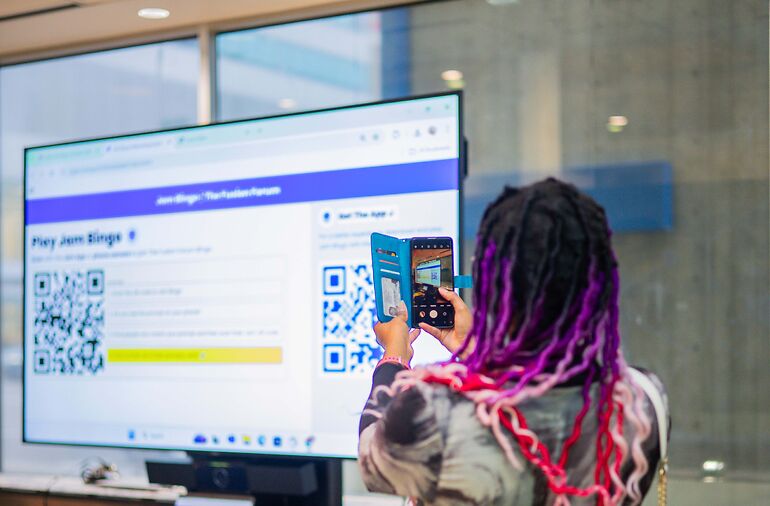
The real power is in the prompts. Boring, generic ones lead to boring conversations. Thoughtfully designed prompts spark interesting exchanges that can lead to follow-up emails, new ideas, or at least a memorable interaction.
Here are some prompt ideas that work especially well for scientific conferences:
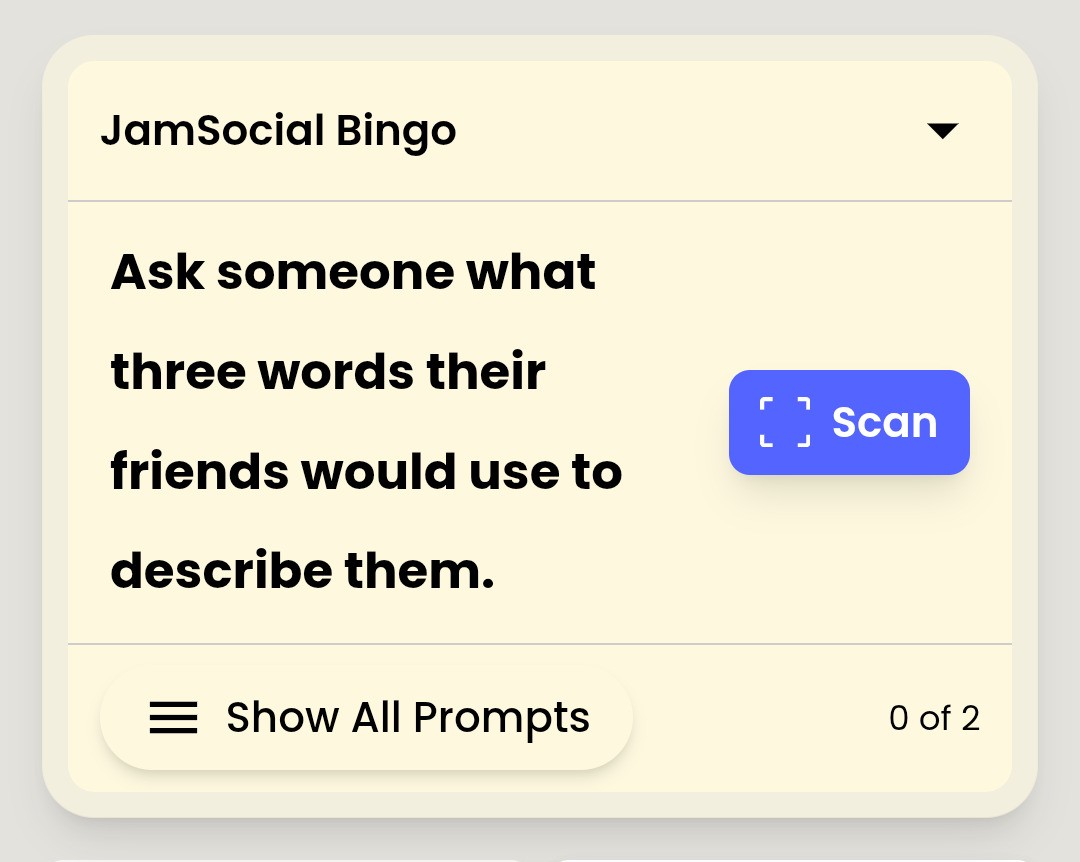
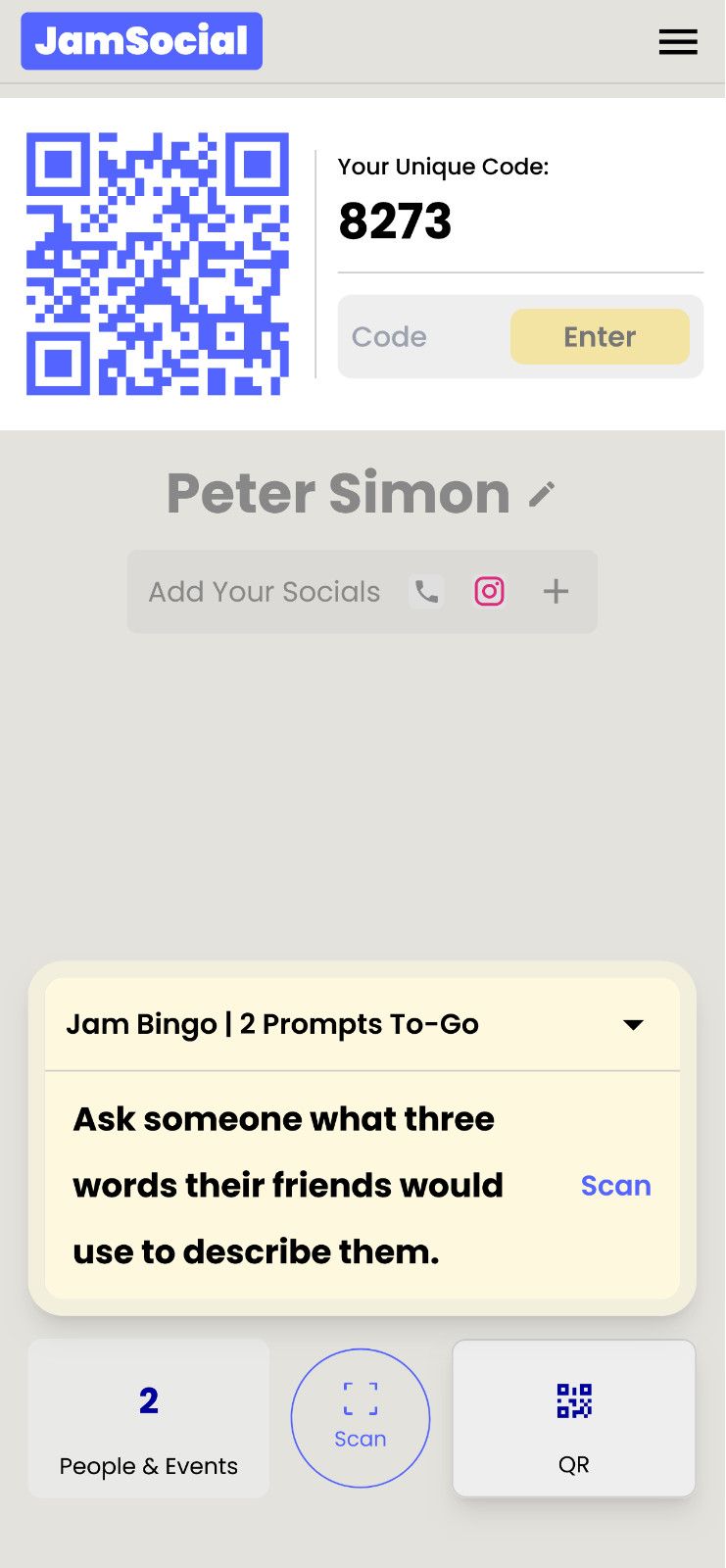
- Find someone whose research is in a completely different field from yours
- Find someone who has collaborated with researchers from another country
- Find someone who started their career in a totally different discipline before switching to science
- Find someone who has had a paper rejected at least three times before it finally got published
- Find someone who can explain their current research in plain language in under 30 seconds
- Find someone who has done fieldwork or left the lab for part of their research
- Find someone whose most surprising result completely contradicted what they expected
- Find someone who is working on a project they're not quite ready to publish yet
With Jam Bingo you can customize the prompts to fit your conference's specific discipline, theme, or audience.

Best Times to Run It During the Conference
Two Sweet Spots
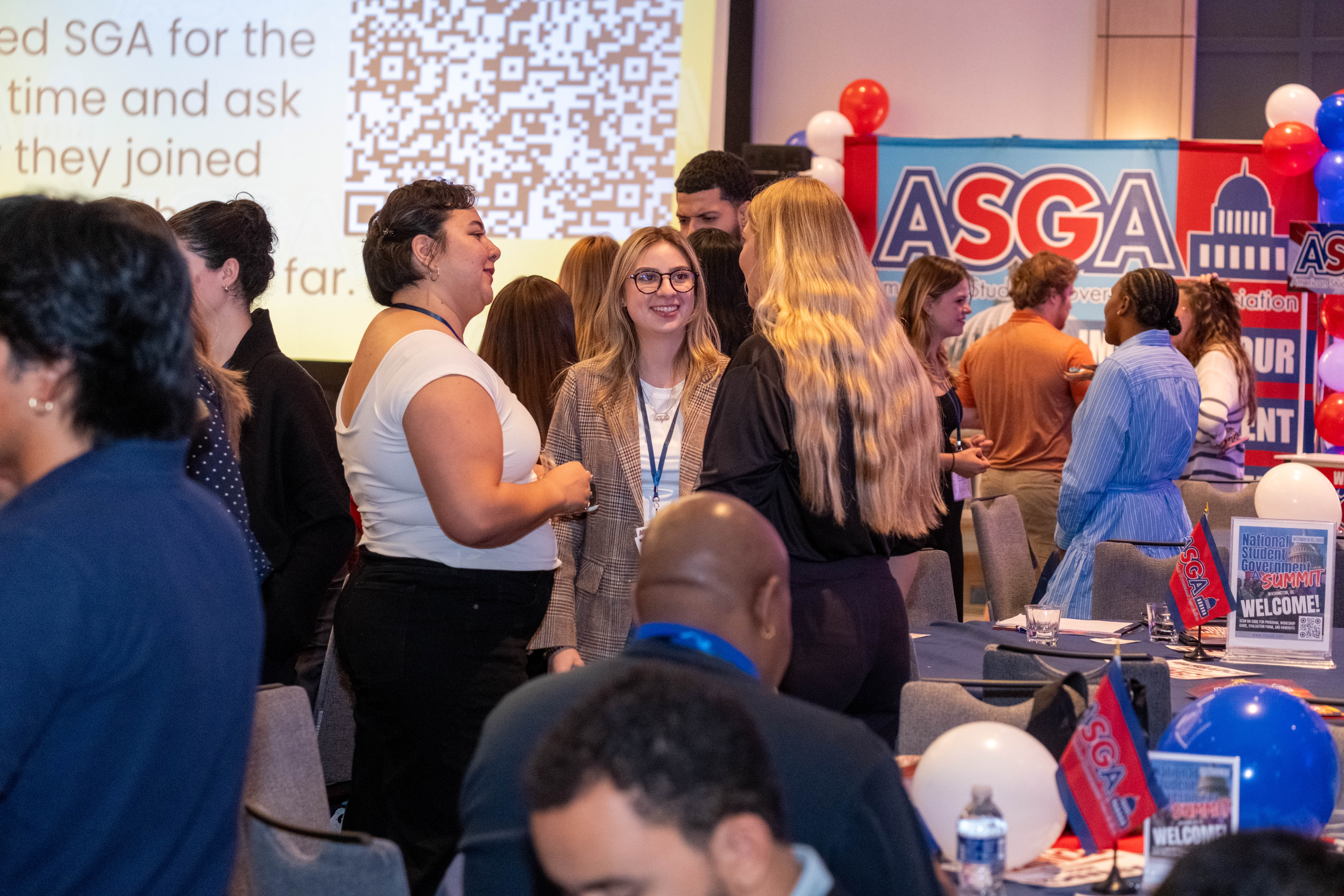
The arrival/registration window works great — people are filtering in, grabbing coffee, and looking for something to do before sessions start.
Poster sessions are even better. The format already gets people moving around the room. Adding bingo gives attendees an extra reason to approach posters and gives presenters an easy, natural way to start conversations with visitors.
Making Sure It Works for Everyone
Include All Career Stages
Be careful not to create prompts that only senior researchers can answer. The strongest cards mix prompts that a first-year PhD student and a full professor can both relate to.
A good balance includes some experience-based prompts (like supervising students) and some curiosity-based ones (like currently reading a book completely outside their field). This keeps things inclusive and leads to more varied, interesting conversations.
The Real Payoff
The best part? Some of those bingo conversations turn into real connections that continue long after the conference ends. Not every match will lead to a collaboration, but many great ideas and partnerships have started with exactly this kind of low-pressure, structured first chat.
If you're organizing a scientific conference and want people to actually connect — not just stand around with their own lab group — digital people bingo is one of the simplest and most effective tools I've seen.