Networking Activities for Kiwanis and CKI Conferences
Kiwanis and Circle K International conferences bring together people who are already united by a shared commitment to service. But shared values do not automatically produce conversation. Conference attendees still arrive from different chapters, different regions, and different seasons of their involvement — and networking between them rarely happens on its own.
The networking activities that work best for these events are ones that match the culture: collaborative, inclusive, mission-connected, and genuinely fun. This guide covers practical options for both Kiwanis and CKI settings.
What Makes Networking Different for Service Organizations
Shared Purpose Is a Starting Point, Not the Whole Story
Members of Kiwanis and CKI already have the most important thing in common: a reason to be in the room. That shared identity is genuinely useful — it gives people an immediate common ground and removes the most awkward part of meeting strangers.
What it does not automatically do is create specific relationships. Knowing that someone is also a Kiwanis member tells you something about their values, but it does not tell you what their chapter is working on, where they got started, or what they have learned from years of service that might change how you run your own chapter.
Good networking activities for service organizations dig into the specifics — the service stories, the chapter challenges, the leadership moments — rather than resting on the shared identity alone.
Networking Activity Ideas for Kiwanis and CKI Conferences
1. Digital People Bingo — Chapter-to-Chapter Connection
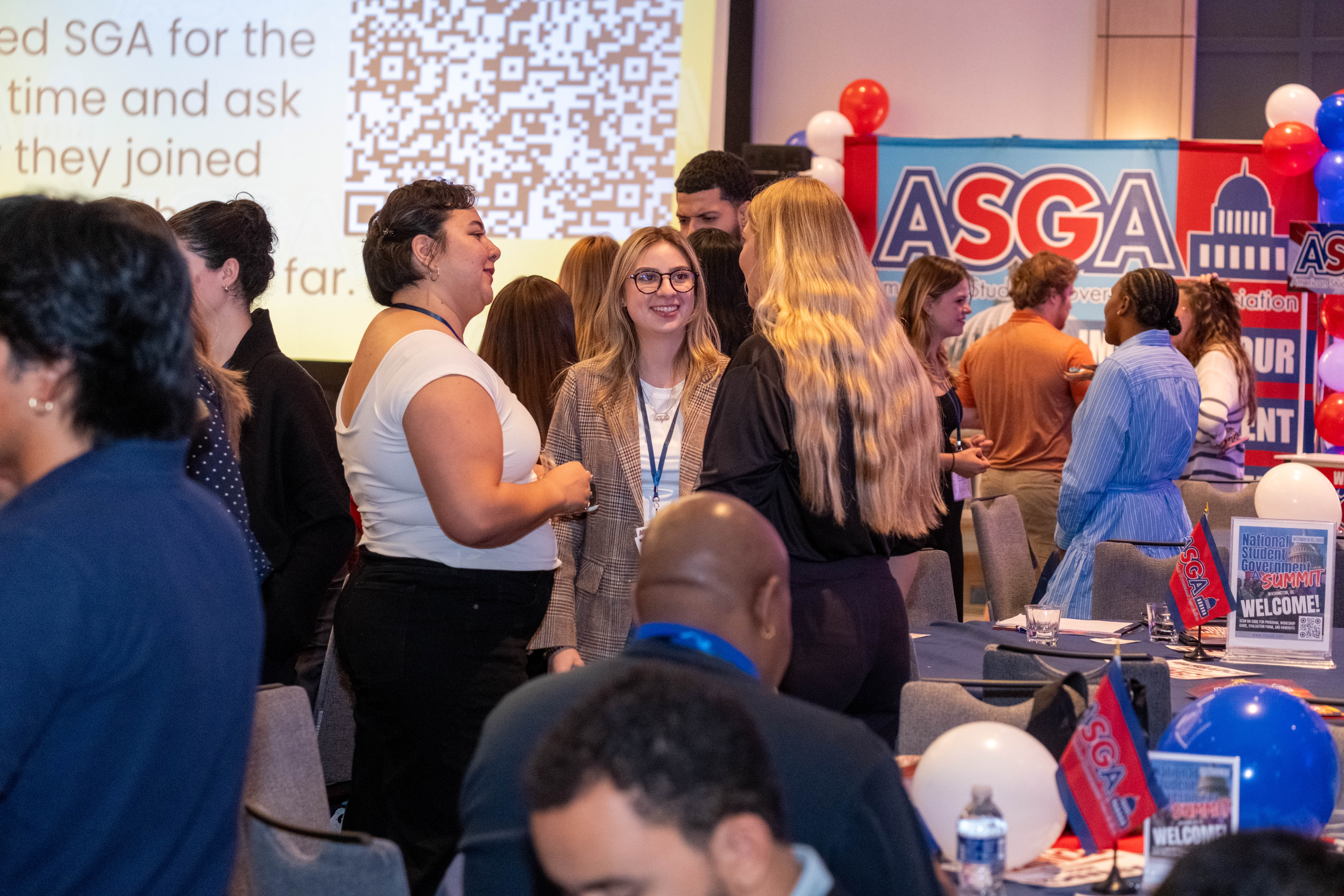
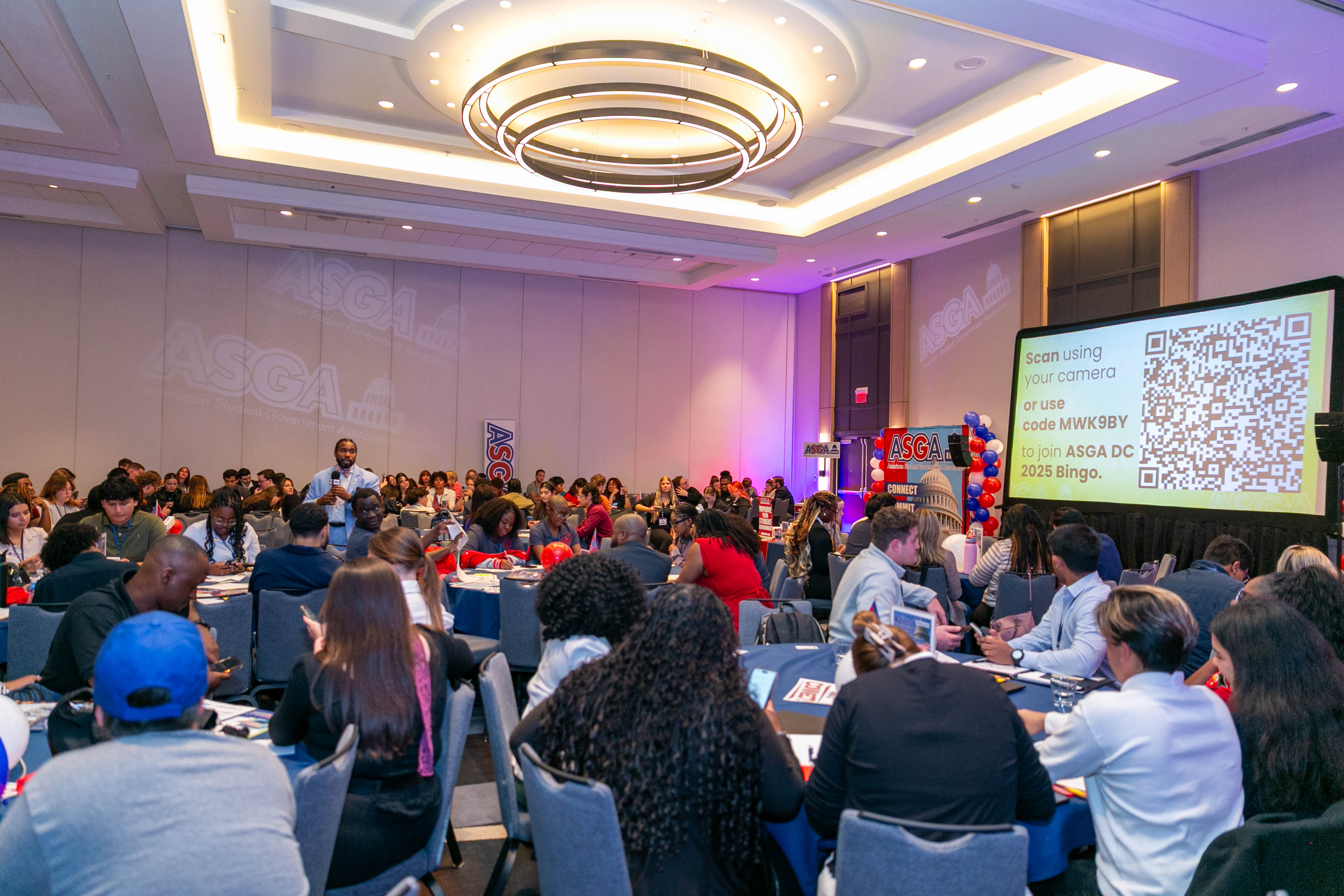
A digital people bingo icebreaker works especially well at multi-chapter conferences because the prompts can be designed to surface cross-chapter experiences. Attendees scan a QR code, receive a card of prompts, and mingle to find people who match.
- Kiwanis and CKI-specific bingo prompt ideas:
- Find someone who has completed a service project in a different country.
- Find someone from a chapter founded more than twenty years ago.
- Find someone who joined because of a specific person who inspired them.
- Find someone who has served in a leadership role at the district level.
- Find someone whose chapter recently started a new initiative.
- Find someone who has attended more Kiwanis or CKI conferences than you.
- Find someone whose most memorable service project surprised them.
- Find someone currently planning a service project they are most excited about.
Tools like Jam Bingo make this straightforward to run — no printing required, and the prompts can be customized to the specific conference theme or focus.
2. Service Story Swap
Pair attendees at random — or use a structured rotation — and give each pair three minutes to exchange their most memorable service story. After the swap, each person introduces their partner to the broader group using the story they just heard.
This works because it moves the focus from 'what do you do' to 'what have you done that mattered' — a more engaging and memorable entry point for service-minded people.
3. Chapter Challenge Showcase
Reserve ten minutes at the start of a session for chapters to post one challenge they are currently facing on a shared board. Other attendees can add their name next to any challenge they have experience with. By the end of the session, those sign-ups become natural networking introductions.
4. Cross-Chapter Table Mixing
Instead of letting attendees seat themselves, assign tables or pods by region — but intentionally mix chapters within regions. Give each table a discussion question tied to the conference theme. The structured conversation gives people something to engage with before they have to do it on their own.
Timing Networking Activities at a Multi-Day Conference
For a multi-day Kiwanis or CKI conference, stagger networking activities across the event rather than front-loading them all on day one. A digital bingo session works well on arrival; a service story swap works better on day two when people are slightly more comfortable; a challenge board works across the whole event as an ongoing reference.
The goal is for connections made on day one to develop into actual conversations by day two or three — not for all the networking to happen in a single frantic session.
What Good Conference Networking Looks Like After the Event
The real measure of a networking activity is not how much energy is in the room during the event — it is whether people are still in contact six months later. The activities that produce lasting connections are the ones that surface genuine common ground, specific experiences, or concrete opportunities for collaboration.
For Kiwanis and CKI, that means activities designed around service experience, chapter challenges, and leadership — not generic get-to-know-you games.